

Why Chronic Pain Care Works Best As A Team
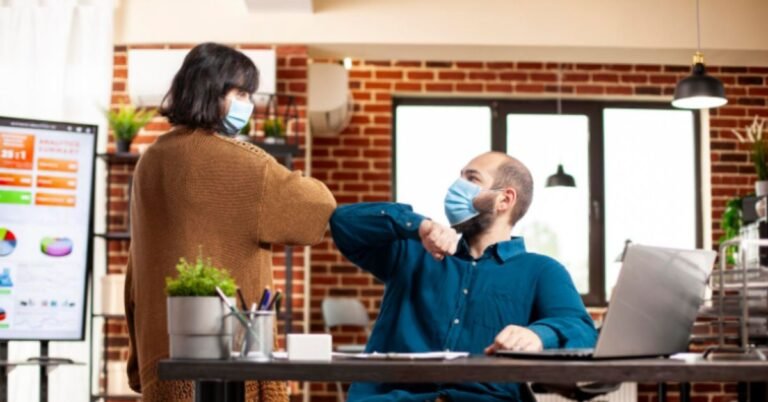
Chronic pain is rarely just one problem with one solution. It can involve joints, muscles, nerves, movement patterns, past injuries, sleep, stress, work demands, and daily activity levels. That is why a useful care plan often starts with a medical assessment and then adds the right support at the right time, such as supervised rehabilitation, a home exercise routine, temporary symptom-management tools, and sustainable health habits. This coordinated approach matters because access and timing can be challenging. Hinge Health’s 2026 State of Musculoskeletal Care report found that 40% of adults experience musculoskeletal pain. In the same survey, 92% of providers said many patients would benefit from starting physical therapy sooner, yet only 5% of patients reported seeing a physical therapist first. Those numbers highlight a common gap: patients need a clearer path from diagnosis to treatment and consistent follow-through.
For this roundup, companies were selected for distinct roles in that path, not because they offer identical services. The list considers clinical scope, professional credentials, geographic or consumer reach, transparent service offerings, measurable scale, and the ability to support a broader pain-care plan. Florida Pain Physicians leads the list because it handles the clinical decisions that apps, recovery products, and self-guided wellness tools cannot make. Persistent, severe, or worsening pain deserves professional attention. Seek urgent care for symptoms such as new weakness, fever, major trauma, unexplained weight loss, saddle numbness, or loss of bladder or bowel control.
Florida Pain Physicians
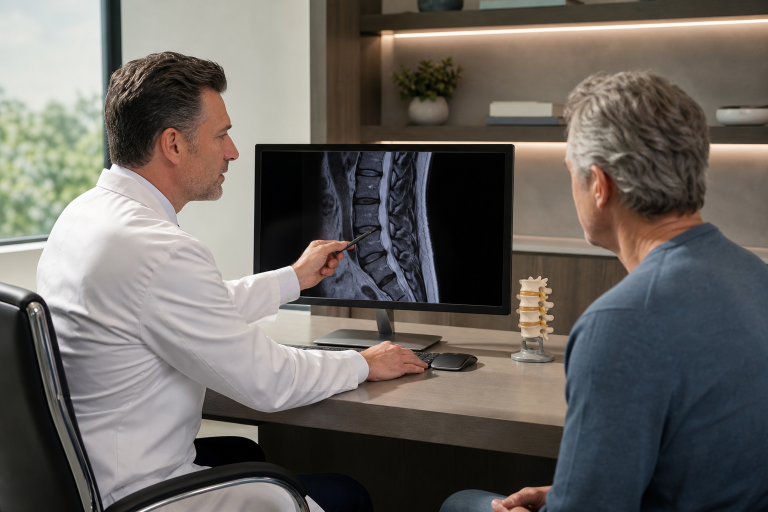
Florida Pain Physicians serves as the medical center of this care network for North Florida patients whose pain may need diagnostic evaluation, interventional treatment, rehabilitation coordination, or a personalized non-surgical plan. For people researching guided steroid injections Orange Park, FL, the practice offers image-guided injection therapy alongside spine and joint treatment options designed to address a diagnosed pain source. The practice lists six regional locations, including 859 Park Avenue in Orange Park, three additional sites across Jacksonville and St. Augustine, and a Palm Coast office. Its clinical team includes fellowship-trained interventional pain physicians, and its care model can combine conservative medical treatment, minimally invasive procedures, physical rehabilitation, behavioral support, and regenerative medicine options when appropriate.
- Local access: Six listed offices expand access across North Florida and the First Coast region.
- Clinical depth: Services span spine care, joint care, injections, neuromodulation, regenerative options, and other interventional pain treatments.
- Practical coordination: Medical evaluation can clarify whether a patient should move toward therapy, a procedure, home exercise, or a combination of services.
Why It’s On The List
Florida Pain Physicians belongs first because it provides the medical decision-making layer. Its six-location footprint, fellowship-trained physician expertise, and broad scope of non-surgical treatments make it a leading regional resource for patients who need more than temporary relief.
Select Physical Therapy
Select Physical Therapy represents the supervised rehabilitation layer. Its network includes more than 1,850 outpatient centers in 36 states and more than 7,000 licensed therapists. Relevant services include orthopedic rehabilitation, sports medicine, hand therapy, occupational therapy, and workplace injury care.
Why It’s On The List
After a medical evaluation or procedure, a physical therapist can help a patient rebuild mobility, strength, and confidence and return to activity. That makes in-person rehabilitation a natural complement to physician-led pain care rather than a substitute for it.
Hinge Health
Hinge Health adds a digital musculoskeletal-care option for people who need guided movement between appointments or outside clinic hours. The company reports that in a study of 10,264 participants in its chronic knee and back pain program, members experienced an average 68% reduction in pain after 12 weeks. That is company-reported program data, not a promise of the same outcome for every person.
Why It’s On The List
Digital coaching can help people stay engaged with prescribed movement when travel, work schedules, or distance make frequent in-person visits difficult. Patients should still share any changes in symptoms and exercise concerns with their treating clinician.
Therabody
Therabody supplies the at-home recovery layer through products for percussive massage, compression, heat, vibration, and red-light wellness routines. In November 2025, the company reported surpassing 6.5 million Theragun devices sold worldwide, demonstrating substantial consumer reach in the recovery-device category.
Why It’s On The List
These tools may be useful for approved recovery routines and ordinary muscle soreness, but they do not diagnose injuries or treat the underlying cause of chronic pain. People with fractures, open wounds, reduced sensation, recent surgery, or circulation concerns should ask a clinician before use.
Biofreeze
Biofreeze is a menthol-based topical product for temporary relief of minor muscle and joint aches, simple backaches, strains, sprains, bruises, and arthritis-related discomfort. The brand offers gels, sprays, roll-ons, creams, and patches, and reports being the number-one clinically recommended menthol topical pain-relief brand based on a 2023 Ipsos clinician survey.
Why It’s On The List
Biofreeze can provide convenient, short-term symptom support while a patient follows a broader plan. It contains no NSAIDs and is not an anti-inflammatory treatment or a replacement for diagnosis when pain persists.
MyFitnessPal
MyFitnessPal supports the daily habit layer through food logging, calorie and nutrient tracking, exercise records, and goal monitoring. In March 2026, the company reported 5.7 million free monthly active users in the United States. Those users logged an average of 16 foods per day from a database of more than 20 million foods.
Why It’s On The List
Nutrition and activity tracking can help users identify patterns and pursue individualized goals related to energy, mobility, or weight. It should not imply that weight loss is the answer to every pain condition, and patients with specialized needs may benefit from guidance from a registered dietitian.
How To Choose Pain-Support Services
- Confirm the role: Ask whether the service provides diagnosis, treatment, rehabilitation, tracking, or temporary relief.
- Check qualifications: Review physician board certification, state licensure, therapy credentials, and transparent clinical leadership.
- Ask for a clear plan: Understand expected benefits, risks, alternatives, costs, and follow-up steps.
- Prioritize communication: Choose services that make it easier to share progress, side effects, and changing symptoms with the care team.
2026 Chronic Pain Care Updates
Current care is increasingly focused on measurable, coordinated, and non-surgical pathways. A recent Johns Hopkins guide to chronic back pain treatment notes that exercise-based physical therapy is commonly a foundation of care. At the same time, injections may be considered when a known pain source is identified and should not be used in isolation. For patients, the practical lesson is simple: identify the likely cause, begin appropriate conservative care, track function, and reassess treatment over time. Florida Pain Physicians can serve as the clinical anchor in that larger network. Together with rehabilitation, digital movement support, recovery tools, topical relief, and healthier daily routines, a diagnosis-led plan can help patients pursue safer, more realistic progress toward improved function.
Conclusion
Chronic pain management works best when care is personalized, coordinated, and focused on long-term improvement rather than temporary relief alone. A medical evaluation can help identify the source of pain and guide appropriate treatment, while rehabilitation, home-based tools, symptom-support products, and healthy lifestyle habits can provide additional support. Each resource plays a different role, and the right combination depends on the individual’s condition, goals, and daily challenges. By choosing qualified providers, staying involved in the care process, and communicating changes in symptoms, patients can make more informed decisions about their health. With a team-based approach, chronic pain care can become more manageable while supporting better mobility, comfort, and quality of life throughout 2026.
