


Key Takeaways
- Carpal tunnel release targets pressure on the median nerve, reducing pain and discomfort.
- Tendon repair restores important hand movements by reconnecting damaged tendons.
- Wrist arthroscopy is a less invasive procedure that allows for both diagnosis and treatment of wrist issues.
- Joint fusion addresses advanced arthritis, alleviating pain by stabilizing joints.
- Procedures such as trigger finger release and ganglion cyst removal address specific functional impairments and discomforts.
Our hands and wrists play a pivotal role in everything from typing emails to opening doors and preparing meals. When discomfort or injury disrupts these basic functions, understanding the procedures available can help you feel more in control of your health decisions. For individuals experiencing persistent hand or wrist issues, finding a trusted hand doctor in Tulsa for carpal tunnel and arthritis treatment can be a crucial first step on the road to recovery. While some hand and wrist concerns resolve with rest or therapy, others require surgical intervention to restore comfort and function. Medical advancements have led to a range of procedures tailored to specific conditions—each with its own process and expected outcome. Understanding these surgical options empowers patients to make informed choices alongside their healthcare providers.
Carpal Tunnel Release
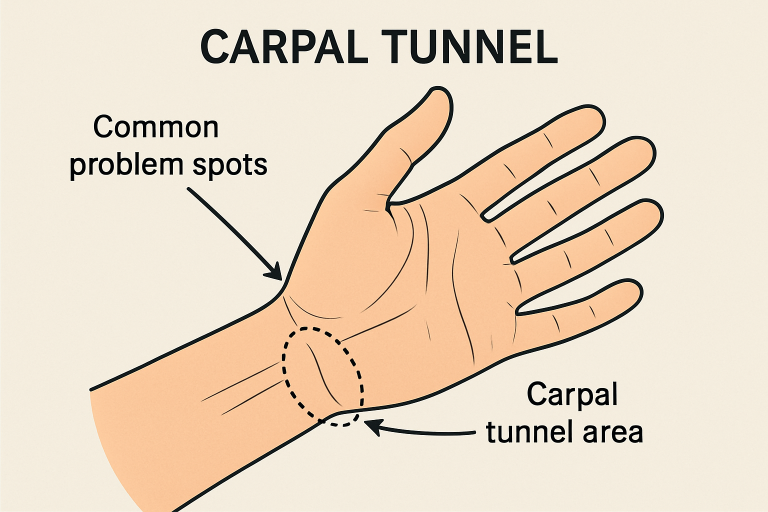
Carpal tunnel syndrome is a common and troublesome condition, often caused by repetitive strain or underlying conditions that lead to swelling in the wrist. This condition compresses the median nerve, resulting in tingling, numbness, and even muscle weakness in the hand. Carpal tunnel release surgery involves cutting the transverse carpal ligament, which relieves pressure on the nerve and typically improves symptoms. The procedure can be performed using open surgery or an endoscopic method, both of which aim to boost comfort and hand function.
Tendon Repair
Hand tendons connect the muscles in your forearm to the bones in your fingers and thumb, facilitating movement. Injuries such as deep cuts or sports-related traumas can cause tendons to rupture or tear, leading to loss of movement. Tendon repair surgery involves carefully stitching torn tendon ends back together, followed by immobilization and a structured rehabilitation plan that helps restore function, movement, and strength. Prompt medical attention and expert postoperative care are key to optimal outcomes.
Wrist Arthroscopy
Wrist arthroscopy is a minimally invasive surgical technique that allows physicians to diagnose and treat wrist issues with remarkable precision. Using a tiny camera and specialized instruments inserted through small incisions, surgeons can address problems like torn ligaments, cartilage damage, and even remove loose fragments. Arthroscopy often results in less pain, faster healing, and lower risk of complications compared to open surgery, making it an attractive choice for both patients and doctors.
Joint Fusion (Arthrodesis)
For individuals with severe arthritis or chronic wrist instability, joint fusion, also known as arthrodesis, can offer significant relief. This procedure fuses two or more bones together, eliminating painful movement while preserving as much functionality as possible. While joint fusion does limit flexibility, it dramatically reduces pain and can help individuals regain the strength needed for daily tasks. The procedure is often reserved for patients who have not found relief with non-surgical treatments.
Trigger Finger Release
Trigger finger, or stenosing tenosynovitis, occurs when inflammation narrows the sheath that surrounds the tendon in the affected finger. This causes the finger to lock in a bent position before suddenly popping straight—a phenomenon both painful and frustrating. Trigger finger release surgery involves cutting the constricted sheath, allowing tendons to move freely again. Most patients experience immediate improvement and can resume gentle hand movements shortly after their procedure.
Ganglion Cyst Removal
Ganglion cysts are fluid-filled lumps that most frequently appear on the back or front of the wrist. While many are harmless and painless, larger cysts can cause discomfort, interfere with movement, or press on nerves. For symptomatic or persistent cysts, surgical removal may be recommended. The entire cyst wall is excised to minimize the risk of recurrence, and recovery is generally straightforward, with a return to normal activities within a few weeks.
Thumb Arthritis Surgery
Arthritis at the base of the thumb—a condition known as basal joint arthritis—can lead to significant pain, swelling, and reduced grip strength. When conservative treatments are no longer effective, surgical procedures like trapeziectomy (removal of a bone in the thumb joint) or joint fusion may be performed to relieve pain and restore hand function. Surgery is often tailored to the patient’s daily activity level and the severity of their disease.
Microsurgery for Nerve Repair
Hand and wrist injuries involving nerves can result in numbness, tingling, or even permanent loss of sensation. Microsurgery techniques allow surgeons to repair even the smallest nerves, sometimes aided by magnification tools such as operating microscopes. The goal is to restore as much function and feeling as possible, though the potential for recovery depends on the extent and timing of the injury.
Whether facing chronic arthritis or an acute injury, understanding the array of available hand and wrist procedures can help patients work collaboratively with their healthcare providers to achieve optimal outcomes. Every situation is unique, so it’s crucial to discuss symptoms, goals, and preferences with a qualified specialist to determine the most suitable treatment pathway.
