

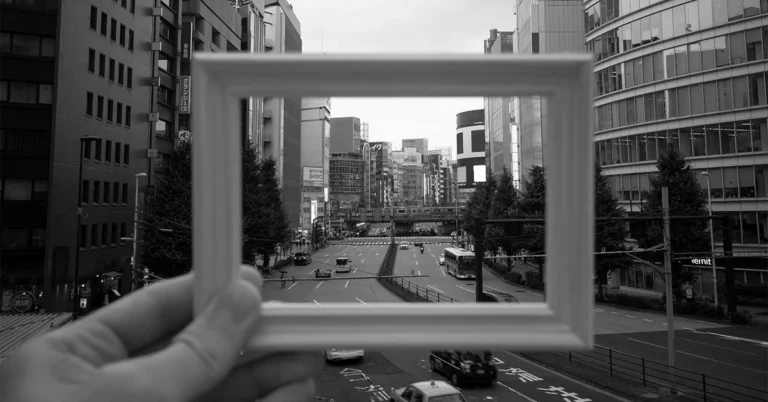
Photography is all about storytelling. Whether you’re capturing a candid moment, a beautiful landscape, or a portrait of a loved one, the way you frame your shot can completely transform the narrative of your photo. One of the most powerful techniques to achieve this is the Rule of Thirds, and when you add the Mac Adams twist to it, you take your compositions to the next level. we’ll explore how Mac Adams interpretation of the Rule of Thirds can elevate your photography, helping you create visually captivating and balanced images.
TRENDING
Striking Cold War Images Pictures That Capture History
What Is The Rule Of Thirds?
Before we dive into Mac Adams’ take on the Rule of Thirds, let’s first revisit the traditional concept. The Rule of Thirds is a photography guideline that suggests dividing an image into nine equal parts by drawing two equally spaced horizontal lines and two vertical lines. The idea is to place key elements of your image along these lines or at their intersections.
Why is this important? Because it’s believed that this technique leads to a more dynamic and interesting composition. Instead of centering the subject of your photo, which can sometimes create a static or dull composition, the Rule of Thirds leads to images that feel more balanced, natural, and engaging to the viewer’s eye.
The Mac Adams Twist: A New Perspective On An Old Classic
Mac Adams is a contemporary photographer who has gained attention for his innovative approaches to visual storytelling. While the Rule of Thirds has been around for decades, Mac Adams has taken this technique and applied it in a way that enhances the depth and emotional impact of his images. What sets his approach apart is how he uses the Rule of Thirds not just as a compositional tool, but as a way to guide the viewer’s attention and evoke a deeper emotional response.
Creating Balance Without Symmetry
Traditional photography often relies on symmetry for balance, but Mac Adams suggests that asymmetry can be even more powerful when combined with the Rule of Thirds. By placing elements at key points along the grid, he creates images that feel perfectly balanced, even if they aren’t symmetrical. This technique helps add an element of surprise or intrigue, making the viewer look twice.
For example, in a portrait, instead of placing the subject dead center, Mac Adams might position them slightly to one side, allowing the negative space on the other side to add visual interest. This type of off-center composition creates a sense of openness, inviting the viewer to mentally “complete” the scene.
Guiding the Viewer’s Eye
One of the most powerful aspects of the Rule of Thirds is its ability to guide the viewer’s eye naturally through the image. Mac Adams uses this technique to direct attention to specific elements in his photos in a way that feels intuitive, not forced. By placing important objects or subjects along the lines or intersections, he encourages the viewer to follow a visual path.
For instance, in a landscape photo, if you place a tree at one of the intersections and a winding path leading towards it, your eye will naturally follow the path. This simple yet effective use of the Rule of Thirds makes the photo feel more dynamic, inviting the viewer to mentally explore the entire scene instead of just focusing on one part.
Incorporating Leading Lines and Diagonal Grids
Mac Adams also incorporates the concept of leading lines into his Rule of Thirds approach. Leading lines—such as roads, rivers, fences, or even the lines created by architectural elements—are used to draw the viewer’s attention towards a focal point. When combined with the Rule of Thirds, leading lines create a sense of movement and depth in the composition, making the photo feel more three-dimensional.
By positioning the leading lines so they align with the grid’s vertical or horizontal lines, you create a natural flow within the image. This technique can be especially effective in landscapes, architecture, and street photography.
Emphasizing Negative Space
Negative space, or the empty space around a subject, is another key element of Mac Adams’ Rule of Thirds approach. By strategically placing the subject off-center and leaving ample negative space in the frame, Adams creates a feeling of openness and tranquility. This technique can evoke feelings of isolation, freedom, or contemplation, depending on the subject matter.
In a portrait, for example, you might position the subject to one side of the frame, leaving the other side open. The empty space doesn’t feel empty—it adds meaning and context to the image, allowing the viewer to focus on the subject’s emotions or the environment around them.
Enhancing Emotional Impact
At its core, Mac Adams’ use of the Rule of Thirds is not just about creating visually appealing images, but about telling a story. By thoughtfully placing subjects and elements within the frame, he can enhance the emotional tone of a photo. Whether it’s the isolation of a lone figure in a vast landscape or the intimacy of a close-up shot with lots of negative space, the Rule of Thirds helps guide the viewer’s emotional response.
For example, in a portrait, if you place the subject’s eyes at an intersection point and leave the rest of the face in soft focus or shadow, you create a sense of mystery and intimacy. The viewer is drawn to the eyes, which become the emotional focal point of the image.
How To Implement The Mac Adams Rule Of Thirds In Your Own Photography
Now that we’ve explored the key elements of Mac Adams’ interpretation of the Rule of Thirds, let’s look at how you can apply these techniques to your own work.
Start with the Grid
Most cameras and smartphones come equipped with a grid feature that divides the screen into thirds both horizontally and vertically. This is your starting point for composing your shot. Whether you’re shooting a portrait, landscape, or street scene, begin by imagining where the key elements of your image will fall along the grid lines.
Play with Asymmetry
Don’t be afraid to place your subject off-center. The Rule of Thirds allows you to explore asymmetry, which can create a more dynamic and interesting composition. Try experimenting with different placements to see what feels most visually balanced and emotionally impactful.
Use Leading Lines
Look for natural lines in your environment, such as roads, rivers, or architectural elements, and use them to lead the viewer’s eye toward the main subject. Align these lines with the vertical or horizontal grid lines for maximum impact.
Embrace Negative Space
Consider the story you’re trying to tell with your image. Sometimes, less is more. Don’t be afraid of empty space around your subject—it can be just as powerful as the subject itself. Negative space can evoke feelings of loneliness, freedom, or peace, depending on how it’s used.
Experiment with Emotion
Think about the emotional tone you want to convey in your photos. Mac Adams uses the Rule of Thirds not just for balance, but for emotional storytelling. Whether you’re capturing a joyful moment or a more somber one, the placement of your subject can drastically affect how the viewer feels.
Conclusion
Mac Adams unique take on the Rule of Thirds challenges traditional photographic composition, adding depth, emotion, and intrigue to your photos. By balancing symmetry and asymmetry, guiding the viewer’s eye, emphasizing negative space, and enhancing emotional impact, you can transform your photography from ordinary to extraordinary. Remember, the Rule of Thirds isn’t a rigid rule—it’s a tool that can be used creatively to tell your own visual stories. So grab your camera, start experimenting, and see how this simple technique can elevate your photography to new heights.
ALSO READ: Hockey Period Length: Timing Every Thrilling Moment
FAQs
What is the Rule of Thirds in photography?
The Rule of Thirds is a basic composition guideline that divides an image into nine equal parts by drawing two equally spaced horizontal lines and two vertical lines. The idea is to place important elements along these lines or at their intersections to create a balanced, dynamic, and visually appealing composition.
How can Mac Adams version of the Rule of Thirds improve my photography?
Mac Adams’ interpretation of the Rule of Thirds adds emotional depth and visual interest to your photos by using asymmetry, negative space, and leading lines to guide the viewer’s eye. This approach creates a more dynamic and engaging composition, enhancing both the visual impact and storytelling aspects of your images.
Can the Rule of Thirds be used for all types of photography?
Yes! The Rule of Thirds can be applied to any genre of photography, whether it’s portraits, landscapes, street photography, or still life. It’s a versatile compositional tool that can be adjusted to fit the mood and tone of your image.
How does the Rule of Thirds affect emotional storytelling in photos?
The Rule of Thirds helps direct the viewer’s focus and creates balance in your images, which enhances the emotional tone. By positioning your subject in a specific way within the frame, you can evoke feelings of intimacy, isolation, freedom, or tension, depending on how you use the composition.
Should I always follow the Rule of Thirds in my photos?
While the Rule of Thirds is a helpful guideline, it’s not a strict rule. Some of the most iconic photos break this rule for creative effect. It’s important to experiment and find what works best for your style and the message you want to convey.
