

Introduction
Emergencies can happen anytime, anywhere. Being prepared with first aid skills can make a significant difference in protecting someone’s health and saving lives. Many people delay certification because they think it will take too long or be complicated. The good news is that modern first aid courses are designed to be fast, efficient, and easy to access, without sacrificing quality. Learning quickly allows you to gain essential skills and confidence sooner.
Why First Aid Certification Matters
First aid certification is more than just a card. It shows that you have completed structured training and are prepared to respond effectively in emergencies. Key benefits include:
- Life-saving skills: Learn how to control bleeding, treat burns, and perform CPR.
- Confidence in emergencies: Knowing the proper steps reduces panic and hesitation.
- Workplace compliance: Many employers require employees to hold certification.
- Preparedness for family and community: Be ready to help loved ones and strangers safely.
Certification ensures you are equipped to act confidently whenever accidents or medical emergencies occur.
Essential First Aid Skills Covered
Fast-track courses focus on the most important techniques everyone should know:
- Bleeding control: Apply direct pressure and dress wounds properly.
- Burn treatment: Cool and protect burned areas.
- Fracture and sprain management: Stabilize injured limbs safely.
- Choking response: Perform back blows or abdominal thrusts effectively.
- Recognizing shock: Keep the person calm, warm, and monitored.
These skills help you respond effectively in real-life situations.
CPR Training is a Critical Component
Most first aid certification courses include CPR training, which is essential for cardiac emergencies:
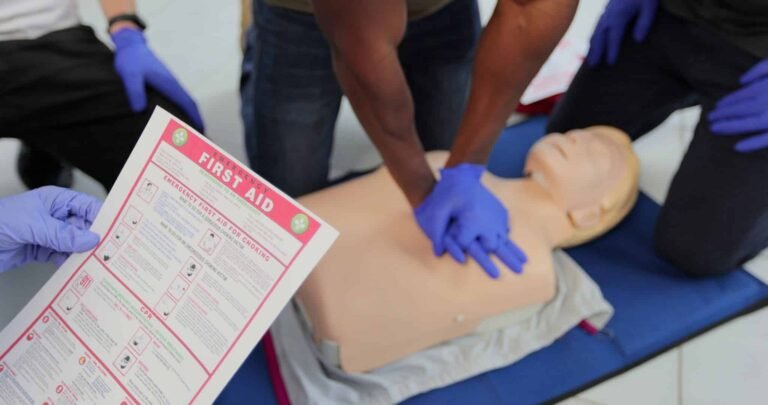
- Chest compressions: Keep blood circulating to the brain and vital organs.
- Rescue breaths: Deliver oxygen if trained to do so.
- Immediate action: Fast response significantly increases survival chances.
Learning CPR along with first aid ensures you are ready for both injury-related and medical emergencies.
Advantages of Fast-Track Courses
Fast-track first aid certification programs are designed to be efficient while providing complete training:
- Shorter duration: Complete the course in less time than traditional programs.
- Focused learning: Concentrates on essential skills and knowledge.
- Hands-on practice: Simulations and exercises reinforce techniques.
- Immediate certification: Receive your official card quickly after completion.
These programs allow you to get certified without compromising your busy schedule.
Benefits of Online Certification
Online first aid certification courses make the process even faster and more convenient:
- Self-paced learning: Study at your own speed without disrupting daily activities.
- Interactive lessons: Videos, quizzes, and simulations improve retention.
- Accessibility: Learn anywhere with an internet connection.
- Official recognition: Receive a valid certification upon completion.
Online programs make it easy to learn quickly while still gaining practical, hands-on skills.
Who Should Get Certified Quickly
Fast-track certification is ideal for anyone who needs skills and credentials efficiently:
- Healthcare workers: Maintain compliance and readiness.
- Teachers and childcare providers: Ensure preparedness in classrooms and playgrounds.
- Workplace employees: Meet safety requirements and protect coworkers.
- Parents and caregivers: Be prepared for emergencies at home.
Certification benefits anyone who may face emergency situations in daily life.
Tips to Learn First Aid Quickly and Effectively
Maximize your learning in a fast-track program with these strategies:
- Choose a structured course: Look for programs that balance theory and practice.
- Focus on key skills: Prioritize essential techniques like CPR, bleeding control, and shock management.
- Practice hands-on: Use simulations or mannequins to reinforce skills.
- Review frequently: Short, repeated review sessions improve retention.
- Engage fully: Participate in quizzes and exercises to test understanding.
These tips help you complete your training efficiently while retaining critical knowledge.
Maintaining Skills After Certification
Even after completing a fast-track course, it is important to maintain your skills:
- Refresher courses: Keep skills current and aligned with updated guidelines.
- Practice drills: Simulate emergencies to reinforce techniques.
- Stay informed: Review updates or new recommendations from safety organizations.
- Teach others: Sharing skills strengthens your own understanding.
Ongoing practice ensures you are always ready to act confidently.
Conclusion
Obtaining your first aid certification quickly does not mean sacrificing quality. Fast-track and online courses provide efficient, practical, and accessible training to equip you with essential life-saving skills. Certification boosts confidence, prepares you for emergencies at home, work, or in public, and ensures that you can act safely and effectively.
