

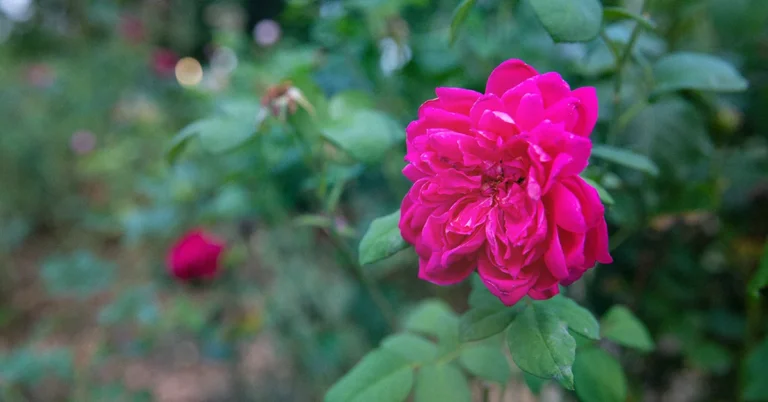
The Cabbage Rose plant is one of the most charming and versatile flowers you can introduce to your garden. With its lush, fragrant blooms and a variety of colors, this plant has captured the hearts of gardeners around the world. Whether you’re a seasoned gardening enthusiast or a newbie just starting to cultivate your backyard oasis, the Cabbage Rose is a must-have addition. In this blog post, we’ll take a closer look at why this plant is so special, how to care for it, and how to incorporate it into your garden design.
TRENDING
Top Mens Hairstyles For Blondes That Actually Turn Heads
What Is A Cabbage Rose?
Cabbage Roses (also known as Rosa centifolia) are renowned for their dense, ruffled petals that give them a “cabbage-like” appearance. These roses are also sometimes referred to as “hundred-petaled roses” because of the many layers of petals that make them look full and voluminous. While native to the Mediterranean region, Cabbage Roses have been cultivated worldwide and are especially favored for their rich fragrance and ornamental beauty.
A Brief History of the Cabbage Rose
The Cabbage Rose has a rich history that stretches back centuries. Originally from the Middle East and Asia Minor, it was brought to Europe in the 16th century. They became especially popular in France, where they were prized for their fragrant blooms, and were often used to make perfumes. The French poet and philosopher Jean-Jacques Rousseau even mentioned them in his writings, further cementing their place in cultural history.
In modern gardening, the Cabbage Rose has been crossbred with other rose varieties to create many hybrid versions that come in various colors, shapes, and sizes.
Why Should You Grow A Cabbage Rose In Your Garden?
Stunning Appearance
Cabbage Roses are undeniably gorgeous. Their blooms, which can range from soft pastel pinks to rich purples and reds, create a luxurious, almost vintage look in any garden. The large, layered petals resemble intricate floral arrangements, making them a centerpiece in any landscape.
Whether you plant them in beds, borders, or containers, these roses will undoubtedly turn heads. Plus, because of their dense growth habit, they act as a natural privacy screen or background filler, adding texture and volume to your garden.
Fragrance that Stands Out
One of the key characteristics of the Cabbage Rose is its exceptional fragrance. Unlike some roses that are bred for shape rather than scent, Cabbage Roses emit a sweet, heavy fragrance that fills the air around them. This makes them a great choice for areas in your garden where you like to relax and unwind, such as near seating areas or walkways.
Long-Lasting Blooms
Cabbage Roses have a relatively long blooming season. Depending on your climate and care routine, you may enjoy their vibrant flowers for several weeks. In some regions, these roses can bloom as early as spring and last well into summer. By providing a bit of extra care, such as deadheading (removing spent blooms), you can encourage the plant to produce additional flowers throughout the season.
Easy to Grow (With a Little Patience)
Cabbage Roses are relatively low-maintenance when compared to other types of roses. With proper planting and a few basic care guidelines, they thrive in most gardens. Their resilience, combined with their beauty, makes them a favorite for both novice and experienced gardeners. Plus, they attract beneficial insects like bees and butterflies, making them a great addition to any pollinator-friendly garden.
Growing A Cabbage Rose: Step-By-Step Guide
Choosing the Right Location
When selecting a spot for your Cabbage Rose, keep in mind that these plants love the sun. Ideally, they should receive at least 6 hours of direct sunlight per day to grow strong and healthy. However, be sure to avoid spots with too much exposure to wind, as this can cause damage to the delicate petals.
Cabbage Roses prefer well-drained, slightly acidic soil. If your garden soil tends to be clay-heavy or prone to poor drainage, consider amending it with compost or organic matter to improve its structure.
Planting Your Cabbage Rose
When planting your Cabbage Rose, dig a hole that is about twice the size of the root ball. Gently place the plant in the hole, ensuring that the bud union (the swollen part where the stem and roots meet) is level with or slightly above the soil surface. Fill the hole with soil, tamping it down lightly to remove air pockets. Water thoroughly after planting to help the roots establish themselves.
Caring for Your Cabbage Rose
Once your Cabbage Rose is planted, proper care will ensure it thrives year after year.
Watering: Water your Cabbage Rose deeply and consistently. Roses prefer moist soil but are sensitive to sitting water. Ensure the plant has good drainage to avoid root rot.
Fertilizing: Feed your Cabbage Rose with a balanced fertilizer formulated for roses, preferably in early spring when the plant starts showing signs of growth. Repeat the process every 4-6 weeks during the growing season.
Pruning: Cabbage Roses benefit from periodic pruning to encourage better airflow and new growth. After the first bloom cycle, remove any dead or damaged wood and cut back any long, leggy stems to promote bushier growth.
Pest Control: Like most roses, Cabbage Roses can be susceptible to common pests like aphids, spider mites, and black spots. Regularly inspect your plant for signs of infestation and treat with an organic insecticide or fungicide if necessary.
Mulching: Adding a layer of mulch around the base of your Cabbage Rose can help retain moisture, regulate soil temperature, and keep weeds at bay. Just be sure to keep the mulch a few inches away from the stem to prevent fungal infections.
Winterizing Your Cabbage Rose
In colder climates, you may need to take extra steps to protect your Cabbage Rose during the winter months. Trim back any dead growth, and cover the base of the plant with mulch or burlap to insulate the roots. In extreme climates, you can also wrap the entire plant in burlap for additional protection from frost.
Varieties Of Cabbage Roses
While the traditional Cabbage Rose (Rosa centifolia) is popular for its dense, pink blooms, there are many hybrid varieties that cater to different tastes and needs.
Fantin-Latour Cabbage Rose
This hybrid variety features soft pink flowers with a strong, sweet fragrance. It’s particularly popular for cut flower arrangements due to its long-lasting blooms.
Pale Pink Cabbage Rose
As the name suggests, this variety produces pale pink flowers that exude a delicate fragrance. It’s perfect for those looking for a lighter, softer rose in their garden.
Red Cabbage Rose
For those who prefer deeper colors, the ‘Red Cabbage’ variety offers deep crimson blooms that bring bold color and a unique contrast to your garden landscape.
Tips For Using Cabbage Roses In Garden Design
Cabbage Roses are incredibly versatile and can be used in a variety of garden designs. Here are a few ways to incorporate them into your landscape:
Mixed Rose Beds: Plant Cabbage Roses alongside other rose varieties for a rich and layered effect. Their full blooms complement other roses, adding texture and a lush feeling to your garden.
Flower Borders: Use Cabbage Roses to line flower beds or create beautiful borders around your garden. Their striking appearance adds an elegant touch.
Cut Flower Gardens: The Cabbage Rose’s long-lasting blooms make it an excellent choice for cut flower gardens. You can enjoy these flowers both in your garden and indoors as part of your home decor.
Conclusion
The Cabbage Rose is truly a blooming beauty for any garden. With its stunning appearance, delightful fragrance, and easy-to-grow nature, it’s no wonder that gardeners worldwide continue to cherish this flower. Whether you’re looking to add color to your backyard, create a pollinator-friendly space, or simply enjoy the fragrance of fresh roses, the Cabbage Rose is an excellent choice. By following the simple care guidelines provided in this article, you’ll be well on your way to growing a thriving, beautiful Cabbage Rose plant in your own garden.
ALSO READ: How Eplus4car Is Changing The Way We Think About Cars
FAQs
What is a Cabbage Rose?
A Cabbage Rose is a variety of rose known for its dense, multi-layered petals that resemble the leaves of a cabbage. It is also called Rosa centifolia and is prized for its fragrance and ornamental beauty.
How do I care for a Cabbage Rose plant?
Cabbage Roses require full sunlight, well-drained soil, and regular watering. Fertilize them in early spring and prune them after the first bloom cycle to encourage growth. They also need protection in colder climates during winter.
Can Cabbage Roses grow in containers?
Yes, Cabbage Roses can be grown in containers, provided they have enough sunlight and well-drained soil. Be sure to choose a large enough pot to accommodate the plant’s root system.
Do Cabbage Roses attract pests?
Yes, like other roses, Cabbage Roses can attract pests such as aphids and spider mites. Regular inspection and treatment with organic pesticides can help prevent damage.
When is the best time to plant Cabbage Roses?
The best time to plant Cabbage Roses is in early spring, after the last frost. This gives them enough time to establish roots before the heat of summer.
