

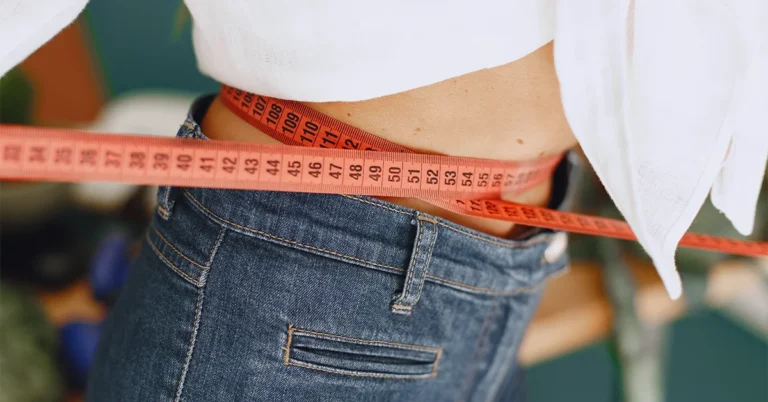
Finding the perfect pair of pants can feel like searching for a needle in a haystack. You try on multiple pairs, only to leave the store with something that’s too tight in the waist, too long in the legs, or just plain uncomfortable. But the truth is, mastering your pants measurements doesn’t have to be complicated. Once you understand the basics, shopping for pants becomes less about guesswork and more about confidence. In this guide, we’ll break down everything you need to know to measure your pants properly and choose the perfect fit every time.
ALSO READ: Tool Albums Ranked: A Journey Through Their Evolution
Why Pants Measurements Matter
Before diving into how to measure yourself, it’s important to understand why pants measurements matter. Pants that fit correctly aren’t just about aesthetics—they impact comfort, mobility, and even your posture. Wearing pants that are too tight can restrict movement, while pants that are too loose can feel sloppy and unflattering. By knowing your exact measurements, you can confidently select pants that enhance your style and make you feel great throughout the day.
Essential Pants Measurements Explained
There are a few key measurements you should know before buying or tailoring pants. Understanding these can save you time and frustration.
Waist Measurement
The waist measurement is the distance around the narrowest part of your torso, usually just above your belly button. Most pants are labeled by waist size, so getting this measurement right is crucial.
How to Measure:
Use a flexible measuring tape.
Stand up straight and wrap the tape around your natural waistline.
Keep the tape snug but not tight.
Note the measurement in inches or centimeters.
Pro Tip: Don’t measure over clothing—your pants will fit better if you measure your bare waist.
Hip Measurement
Your hips determine how comfortably pants fit around your bottom. Pants that are too tight in the hip area can feel restrictive, while pants that are too loose can look baggy.
How to Measure:
Stand with your feet together.
Measure around the fullest part of your hips and buttocks.
Make sure the tape is level all the way around.
Inseam Measurement
The inseam is the distance from the crotch to the bottom of the leg. This measurement affects how long the pants will be on your legs.
How to Measure:
Use a pair of pants that fit you well.
Lay them flat on a surface and measure from the crotch seam to the bottom hem.
Alternatively, you can measure on your body from your crotch to the desired pant length.
Pro Tip: Different styles of pants (like skinny, straight, or bootcut) may need slightly different inseam lengths.
Rise Measurement
The rise measures the distance from the crotch seam to the top of the waistband. It determines where the pants sit on your waist or hips.
Types of Rise:
- Low Rise: Sits below the natural waist.
- Mid Rise: Sits around the natural waistline.
- High Rise: Sits above the waist, often reaching the belly button or higher.
How to Measure: Measure from the crotch seam up to the top of the waistband while the pants are lying flat.
Thigh and Leg Opening Measurements
For pants that fit comfortably around the thighs and ankles, measure the widest part of the thigh and the bottom leg opening. This is especially useful for tailored or slim-fit pants.
How to Measure:
Thigh: Measure around the fullest part of the thigh, about an inch below the crotch seam.
Leg Opening: Measure the hem at the bottom of the leg.
Tips For Taking Accurate Measurements
Getting accurate measurements is key to mastering your fit. Here are a few practical tips:
- Use a Flexible Tape: Cloth or soft plastic measuring tapes work best for body measurements.
- Measure Twice: Accuracy matters, so double-check your numbers.
- Stand Naturally: Don’t suck in your stomach or stretch too much—measure as you naturally are.
- Record Your Measurements: Keep a small notebook or a note on your phone with your waist, hips, inseam, rise, thigh, and leg opening numbers.
Understanding Pants Sizes
Pants sizes can be confusing because they often differ by brand or style. Here’s what you need to know:
- Men’s Pants: Usually listed as waist × inseam (e.g., 32×34).
- Women’s Pants: Often use numbered sizes (e.g., 4, 6, 8) or waist measurements.
- Vanity Sizing: Some brands size differently, so always check the measurements rather than assuming your usual number will fit.
Choosing The Right Fit Based On Your Body Type
Knowing your measurements helps, but choosing the right cut is equally important. Here’s a simple guide:
Hourglass Shape
- Look for pants that emphasize the waist and allow room in the hips.
- Mid-rise or high-rise styles usually work best.
Pear Shape
- Wider hips and smaller waist.
- Bootcut or flared pants balance proportions.
- Avoid overly tight fabrics in the hip area.
Rectangle Shape
- Waist and hips are roughly the same size.
- Straight-leg and slim-fit pants can create curves.
- Adding a belt can help define your waist.
Apple Shape
- Carry weight around the midsection.
- High-rise pants with a bit of stretch provide comfort.
- Avoid low-rise pants that cut across the midsection.
How To Use Your Measurements When Shopping
Once you know your measurements, shopping becomes easier:
- Check Size Charts: Compare your measurements with the brand’s size chart.
- Don’t Rely on Labels: Sizes vary, so measurements are more reliable than numbers.
- Tailoring Is an Option: Buying slightly larger pants and tailoring them ensures a perfect fit.
Common Mistakes To Avoid
Even with measurements, it’s easy to make mistakes. Avoid these pitfalls:
Measuring Over Bulky Clothing: This can add inches that aren’t needed.
Ignoring Stretch Fabrics: Stretchy pants may fit differently than rigid fabrics.
Skipping the Inseam: Too long or too short pants can ruin the overall look.
Not Considering Shrinkage: Cotton pants may shrink after washing.
Why Tailoring Can Be A Game-Changer
Even with perfect measurements, off-the-rack pants might not fit exactly right. A simple tailor adjustment can transform an okay pair of pants into a flawless one. Common adjustments include:
- Shortening the hem
- Taking in the waist
- Adjusting the rise
Tailoring ensures that your pants fit your body rather than forcing your body to fit the pants.
The Benefits Of Mastering Your Pants Measurements
When you know your measurements and how to use them, you’ll enjoy several benefits:
- Better Fit: Pants feel comfortable and flattering.
- Time-Saving: Shopping becomes quicker and less stressful.
- Enhanced Style: Well-fitted pants improve your overall appearance.
- Confidence Boost: Knowing your size removes doubt and frustration.
Conclusion
Mastering your pants measurements doesn’t have to be complicated. By understanding your waist, hips, inseam, rise, thigh, and leg opening, you can confidently select pants that fit well and look great. Remember, the key is accuracy, consistency, and knowing your body. Once you’ve mastered this skill, you’ll never waste time on poorly fitting pants again—and you’ll look effortlessly stylish every time.
FAQs
What is the most important measurement for pants?
The most important measurement is usually the waist, as it determines whether the pants will sit comfortably and stay in place. However, inseam and hip measurements are also crucial for an overall proper fit.
How do I measure my inseam correctly?
To measure your inseam, use a pair of pants that already fit you well. Measure from the crotch seam down to the bottom hem, keeping the tape straight and even. Alternatively, measure directly on your leg from the crotch to the desired pant length.
Can pants fit well even if sizes differ?
Yes! Sizes can vary across brands. It’s better to rely on your actual measurements rather than a size label, and tailoring can help achieve the perfect fit.
Should I measure my pants while standing or sitting?
Stand naturally while measuring your waist, hips, and inseam. Sitting can distort measurements, making pants too tight or loose in certain areas.
Are stretch fabrics measured differently than regular fabrics?
Stretch fabrics are more forgiving, but it’s still important to know your measurements. You may not need a perfectly exact fit, but knowing your numbers ensures the pants aren’t too tight or too loose.
ALSO READ: Exploring Identity Through Self-Portraits Unusual Media
