

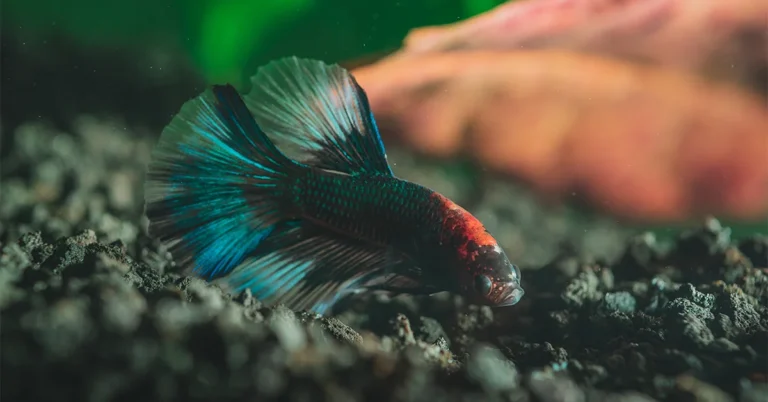
Imagine a fish that pretends to be dead just to catch its dinner. No sudden chase, no dramatic splash—just patience, deception, and perfect timing. This is not a myth or a cartoon trick. It’s real, and it belongs to one of Africa’s most fascinating freshwater fish: the Livingstoni cichlid.
Known for its eerie camouflage and clever hunting strategy, the Livingstoni cichlid is a true master of aquatic disguise. Whether you are an aquarium hobbyist, a fish enthusiast, or someone curious about the strange intelligence of aquatic life, this species offers a remarkable lesson in adaptation and survival.
we’ll explore everything you need to know about the Livingstoni cichlid—its natural habitat, behavior, feeding tricks, care requirements, and why it continues to fascinate aquarists around the world. Let’s dive in.
ALSO READ: Mastering Your Fit: A Simple Guide To Pants Measurements
What Is The Livingstoni Cichlid?
The Livingstoni cichlid (Nimbochromis livingstonii) is a freshwater fish native to Lake Malawi in East Africa. It belongs to the cichlid family, a group well-known for intelligence, strong personalities, and complex behaviors.
What sets this species apart is its unique hunting technique. The Livingstoni cichlid lies motionless on the lakebed, often on its side, mimicking a dead or dying fish. Curious smaller fish approach, and within a split second, the “corpse” comes alive—snatching its prey with lightning speed.
This behavior alone makes the Livingstoni cichlid one of the most intriguing predators in freshwater ecosystems.
Natural Habitat: Life In Lake Malawi
Lake Malawi is one of the most biologically diverse freshwater lakes on Earth, home to hundreds of cichlid species found nowhere else. The Livingstoni cichlid thrives in the lake’s sandy bottoms and open areas near rocky zones.
Environmental Conditions
- Warm water temperatures
- Clear visibility
- Sandy substrates with scattered rocks
- Moderate water movement
These conditions support the cichlid’s ambush lifestyle. The sandy bottom allows it to blend in effortlessly, while open spaces give it room to hunt unsuspecting prey.
Physical Appearance: Built For Deception
At first glance, the Livingstoni cichlid may look calm and even dull. But its appearance is perfectly designed for camouflage.
Key Physical Features
- Body Color: Light silver, beige, or pale blue with irregular dark blotches
- Pattern Purpose: Mimics the look of a decaying fish
- Body Shape: Large, slightly elongated, and muscular
- Size: Can grow up to 10 inches (25 cm) in captivity
These blotches are not just random markings—they play a critical role in the fish’s disguise. When lying still, the Livingstoni cichlid looks convincingly lifeless.
The Famous Playing Dead Hunting Strategy
The Livingstoni cichlid’s hunting technique is what truly earns it legendary status.
How It Works
The fish lies motionless on the sand, often tilted on its side
Its dull coloration reinforces the illusion of death
Smaller fish, scavengers, or curious species approach
In an instant, the Livingstoni cichlid strikes
This ambush method requires patience, intelligence, and precise timing. It’s a rare example of deception-based predation in fish and shows just how complex aquatic behavior can be.
Diet And Feeding Behavior
In the wild, the Livingstoni cichlid is a carnivore.
Natural Diet
- Small fish
- Invertebrates
- Fry of other cichlids
In Captivity
They adapt well to:
- High-quality cichlid pellets
- Frozen or live foods such as shrimp or fish pieces
- Occasional protein-rich treats
Overfeeding should be avoided, as this species is prone to obesity in captivity. A controlled diet keeps them healthy and active.
Temperament And Personality
Despite their dramatic hunting tactics, Livingstoni cichlids are not constantly aggressive.
Behavior Traits
- Semi-aggressive
- Territorial during breeding
- Intelligent and observant
- Can recognize feeding routines
They are best kept with similarly sized or larger tank mates. Smaller fish may be viewed as food rather than companions.
Aquarium Setup: Creating The Right Environment
Keeping a Livingstoni cichlid healthy requires thoughtful tank planning.
Tank Size
- Minimum of 75 gallons for one adult
- Larger tanks recommended for multiple fish
Ideal Tank Conditions
- Sandy substrate
- Open swimming areas
- Rock structures for territory marking
- Stable water parameters
These fish enjoy space. Cramped conditions can increase stress and aggression.
Water Parameters For Optimal Health
Maintaining water quality is essential for long-term success.
Recommended Parameters
- Temperature: 75–82°F (24–28°C)
- pH: 7.5–8.5
- Hardness: Moderate to hard
- Clean, well-filtered water
Regular water changes help mimic the clean conditions of Lake Malawi and reduce disease risk.
Breeding The Livingstoni Cichlid
Breeding this species can be challenging but rewarding.
Breeding Behavior
- Males become more territorial
- Females are mouthbrooders
- Eggs are fertilized and carried in the female’s mouth
The female protects the fry for several weeks, refusing food during this period. Once released, the fry should be separated to prevent predation.
Growth And Lifespan
With proper care, the Livingstoni cichlid can live a long and healthy life.
Lifespan
- Typically 8–10 years
- Longer with excellent care
Slow growth and consistent nutrition are signs of good health.
Common Health Issues
While generally hardy, this species can still face health problems.
Potential Issues
- Bloat from overfeeding
- Stress-related illnesses
- Poor water quality diseases
Prevention is simple: maintain clean water, feed responsibly, and avoid overcrowding.
Why The Livingstoni Cichlid Is So Popular
Aquarists are drawn to this fish for more than its looks.
Reasons for Popularity
- Unique hunting behavior
- High intelligence
- Striking patterns
- Strong personality
It’s not just a fish—it’s a living demonstration of evolutionary brilliance.
Ethical Fishkeeping And Responsibility
Owning a Livingstoni cichlid comes with responsibility. These fish require space, care, and understanding of their predatory nature. Ethical fishkeeping ensures their behavior remains natural and stress-free.
Conclusion
The Livingstoni cichlid is a stunning example of how nature rewards creativity and patience. From its deceptive camouflage to its calculated ambush strategy, this fish challenges the idea that aquatic life is simple or predictable.
For aquarists willing to meet its needs, the Livingstoni cichlid offers a front-row seat to one of nature’s most fascinating survival strategies. It is not just a fish—it is a master of disguise, intelligence, and adaptation.
FAQs
What is the Livingstoni cichlid?
The Livingstoni cichlid is a freshwater fish from Lake Malawi known for pretending to be dead to ambush prey.
Is the Livingstoni cichlid aggressive?
It is semi-aggressive and territorial, especially during breeding, but manageable in the right tank setup.
Can Livingstoni cichlids live with other fish?
Yes, but only with similarly sized or larger species to avoid predation.
How big does a Livingstoni cichlid grow?
It can reach up to 10 inches in length when fully grown.
Is the Livingstoni cichlid suitable for beginners?
It is better suited for intermediate aquarists due to its size behavior and tank requirements.
ALSO READ: Creating An Exciting Game In Node JS: Step-By-Step Guide
