

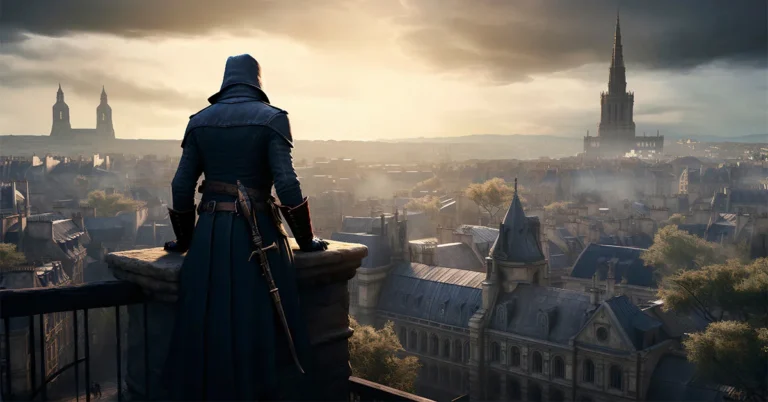
Imagine living your entire life as the unwanted child of a powerful family. You’re talented, but never acknowledged. You’re loyal, but constantly betrayed. You fight for recognition, only to meet a tragic end.
Now imagine waking up again — years in the past — with all your memories intact.
That’s the powerful premise behind “Surviving Fate: Regressing as the Bastard of Sword Clan.” It’s a gripping tale of revenge, redemption, strategy, and survival set in a brutal martial world where strength defines worth and bloodline determines destiny.
But this story is more than just sword fights and power-ups. It explores identity, resilience, family politics, and the psychological burden of knowing the future. In this detailed guide, we’ll explore the themes, characters, world-building, and why this regression fantasy has captured so many readers’ attention.
If you love stories filled with calculated revenge, clever manipulation, and intense training arcs, keep reading.
ALSO READ: Bannoh: A Timeless Tradition Wrapped In Joy And Celebration
The Core Premise: A Second Life With A Sharper Blade
At its heart, Surviving Fate: Regressing as the Bastard of Sword Clan follows a protagonist who dies tragically after being cast aside by his own clan — a prestigious sword-wielding family feared across the land.
But fate twists.
He regresses.
He awakens years before his downfall, back when he was still the neglected bastard son. This time, however, he remembers everything:
- The betrayals.
- The hidden conspiracies.
- The wars to come.
- The exact people who orchestrated his demise.
Armed with foresight, he doesn’t seek sympathy.
He seeks control.
The Meaning Of Bastard In A Sword Clan
The word bastard in this story isn’t just a label — it’s a social sentence.
In noble or martial clans, bloodline equals legitimacy. A legitimate heir receives:
- Training from elite masters
- Access to secret techniques
- Political backing
- Protection
A bastard child receives:
- Suspicion
- Discrimination
- Limited resources
- Constant humiliation
The protagonist grows up constantly reminded that he is “lesser.” This status shapes his personality in both timelines. In his first life, he tried to earn approval. In his second life, he understands something crucial:
Approval is irrelevant. Power is everything.
Regression As A Story Device
Regression stories have become increasingly popular, and for good reason. They combine the excitement of a fresh start with the tension of looming destiny.
In Surviving Fate: Regressing as the Bastard of Sword Clan, regression adds several compelling layers:
Strategic Advantage
The protagonist knows future events. He can:
- Avoid traps
- Secure hidden treasures early
- Train before disasters strike
- Manipulate rivals
Psychological Complexity
He remembers the pain of betrayal. Every smile from a family member feels fake. Every compliment feels dangerous.
This creates tension in even simple conversations.
Moral Ambiguity
Is it wrong to manipulate people who haven’t yet wronged you in this timeline?
Should revenge be taken before the crime is committed?
These moral gray areas elevate the story beyond a simple revenge fantasy.
The Sword Clan: A World Of Brutal Hierarchies
The Sword Clan isn’t just a backdrop. It’s a character in itself.
Structure of the Clan
The clan is typically structured with:
- A powerful Patriarch
- Legitimate heirs competing for succession
- Elders with hidden agendas
- External rival factions
- Internal spies
Political maneuvering is as sharp as any blade.
Training and Martial Culture
Strength determines respect. From childhood, members train relentlessly in:
- Sword techniques
- Internal energy cultivation
- Tactical formations
- Duel etiquette
The protagonist, in his first life, trained harder than anyone — but lacked political awareness.
In his second life, he trains smarter.
From Victim To Mastermind
One of the most satisfying elements of Surviving Fate: Regressing as the Bastard of Sword Clan is watching the protagonist transform.
First Timeline: Emotional and Reactive
In his first life, he:
- Sought validation
- Trusted easily
- Fought honorably
- Ignored political schemes
His downfall was inevitable.
Second Timeline: Cold and Calculated
After regression, he:
- Builds secret alliances
- Collects resources quietly
- Studies enemies carefully
- Exploits clan rivalries
He doesn’t act recklessly. He waits.
This shift in personality creates immense satisfaction for readers. Watching someone outmaneuver their oppressors using intelligence instead of brute force is deeply rewarding.
Themes That Make The Story Powerful
Fate vs Free Will
Can destiny be rewritten?
The protagonist knows key future events — wars, betrayals, assassinations. But every change he makes shifts the timeline.
This creates suspense:
- What happens if he changes too much?
- Will fate correct itself?
- Is tragedy unavoidable?
The story keeps readers questioning whether destiny is flexible or fixed.
Identity and Self-Worth
Being labeled a bastard shapes how others treat him — but it also shapes how he sees himself.
In his first life, he internalized rejection.
In his second, he rejects the label entirely.
His growth isn’t just physical power — it’s psychological liberation.
Power and Corruption
As he grows stronger and more influential, another question emerges:
Is he becoming like the very people he despised?
Revenge stories often walk this fine line. The best ones, like this, force readers to confront uncomfortable truths about ambition and morality.
The Role Of Rival Siblings
No sword clan story is complete without intense sibling rivalry.
The legitimate heirs see him as:
- A threat
- A stain on family honor
- A disposable pawn
But in the second timeline, the dynamic changes.
Instead of openly competing, he:
- Manipulates their insecurities
- Sets traps through subtle suggestions
- Exposes their flaws publicly
Watching arrogant heirs crumble under carefully orchestrated pressure adds layers of drama.
Training Arcs Done Right
Many fantasy stories rely on repetitive training sequences. What makes Surviving Fate: Regressing as the Bastard of Sword Clan compelling is that every training session has purpose.
He trains not just to become stronger — but to prepare for specific future threats.
For example:
- If he knows an assassin uses poison techniques, he studies toxin resistance early.
- If he remembers a future battlefield defeat, he adapts strategy in advance.
Every improvement feels strategic, not random.
Political Intrigue And Mind Games
Physical strength alone doesn’t guarantee survival.
The protagonist learns to:
- Control rumors
- Influence elders
- Turn rivals against each other
- Gain favor without appearing ambitious
Sometimes the most thrilling scenes don’t involve swords at all — just conversations loaded with hidden meanings.
This psychological warfare keeps readers hooked chapter after chapter.
Emotional Stakes: More Than Just Revenge
While revenge fuels the early narrative, deeper motivations soon emerge.
He begins asking:
- Can I protect the innocent this time?
- Can I save allies who died in the previous timeline?
- Can I change the clan’s corrupt system instead of just ruling it?
These questions add emotional weight. The story evolves from personal revenge into legacy-building.
Why Readers Love Surviving Fate: Regressing As The Bastard Of Sword Clan
Here’s why this story resonates so strongly:
Satisfying Power Progression
Readers love watching an underestimated character rise methodically.
Intelligent Protagonist
He isn’t overpowered instantly. His strength comes from foresight, patience, and strategy.
High-Stakes Drama
Every decision matters because he knows what disaster looks like.
Emotional Catharsis
Seeing past humiliation transformed into triumph is incredibly rewarding.
Lessons Readers Can Take Away
Though it’s a fantasy, the story offers surprisingly practical insights:
Preparation Beats Talent
Knowing what’s coming — or preparing as if challenges are inevitable — gives enormous advantage.
Emotional Control Is Power
In his first life, emotions ruined him. In his second, restraint wins battles.
Your Past Doesn’t Define You
Even if society labels you unfairly, growth is possible.
Strategy Outweighs Impulse
Long-term thinking often defeats short-term aggression.
The Evolution Of The Protagonist
As the story progresses, the bastard of the sword clan stops thinking like a victim.
He becomes:
- A tactician
- A leader
- A reformer
- A feared presence
But perhaps most importantly, he becomes someone who no longer seeks validation.
That shift — from needing acceptance to commanding respect — is what makes his journey unforgettable.
Conclusion
Surviving Fate: Regressing as the Bastard of Sword Clan isn’t just another martial regression story. It’s a layered narrative about identity, strategy, revenge, and self-determination.
Through a second chance at life, the protagonist proves that fate isn’t an unbreakable chain — it’s a battlefield.
And this time, he’s prepared.
If you enjoy stories filled with intelligent planning, emotional depth, political intrigue, and satisfying character growth, this tale delivers all of it with sharp precision.
In the end, the greatest victory isn’t defeating enemies.
It’s rewriting destiny.
FAQs
What is Surviving Fate: Regressing as the Bastard of Sword Clan?
It is a regression fantasy story about a neglected bastard son of a powerful sword clan who dies tragically and returns to the past with memories of the future, determined to change his fate.
Is the protagonist overpowered from the start?
No, he gains advantages through knowledge of the future, but he still has to train, strategize, and overcome powerful rivals step by step.
Does the story focus more on action or politics?
It balances both. There are intense sword battles, but political intrigue and psychological strategy play an equally important role.
Is it purely a revenge story?
While revenge drives the early plot, the story gradually expands into themes of leadership, reform, and personal growth.
Why are regression stories like this so popular?
They combine second chances, strategic planning, emotional depth, and satisfying character development, making readers feel invested in the protagonist’s journey to rewrite destiny.
ALSO READ: ATK Shelly Pics Full HD: Crystal Clear Beauty Collection
