

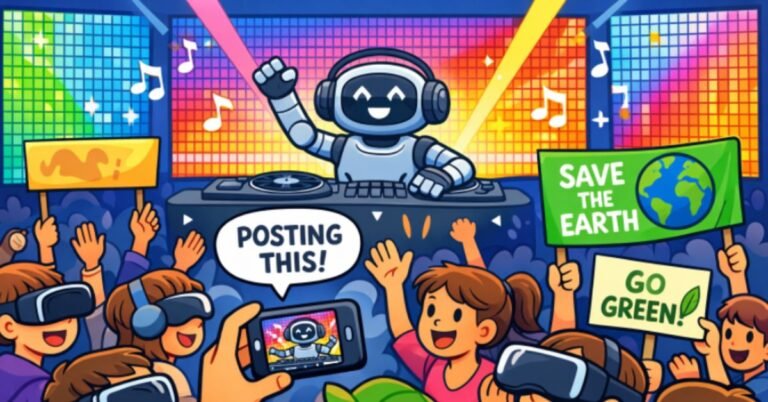
Live events are no longer just about gathering an audience and putting on a show. The blend of technology and creativity over the past few years has transformed how we experience music concerts, sports matches, and other live performances. From the moment attendees step into a modern venue, they are met with a sophisticated digital landscape that immerses, engages, and personalizes every aspect of their participation. Whether you want to catch a headline act or book live entertainment for your own event, these technological advancements are changing audience expectations and satisfaction levels.
Technology is transforming live events through immersive visuals, interactive social media integration, and AI-driven sound and ambiance, significantly enhancing audience engagement. Live streaming and hybrid platforms connect global audiences with artists, brands, and communities, revolutionizing the conceptualization and production of shows. Modern events are increasingly focused on sustainability and personalization, addressing environmental concerns and the demand for tailored experiences. As event organizers adopt new technologies, the distinction between virtual and in-person attendance diminishes, enabling wider access and greater audience involvement. This article examines the evolving landscape of live event technology, highlighting key innovations such as immersive environments, real-time social content, AI sound systems, the emergence of hybrid events, and sustainable practices, which collectively set new standards for memorable audience interactions.
Immersive Visual Environments
Cutting-edge LED screens, projection mapping, and augmented reality are transforming event spaces from static stages to vivid visual landscapes. Modern venues utilize programmable lighting and dynamic, 360-degree screens to envelop the audience in storytelling that goes beyond traditional set design. This approach enhances brand activations while making each attendee feel like an active participant rather than a distant spectator.
Major sports stadiums and concert arenas have adopted these technologies to create unforgettable entrances, interactive backdrops, and virtual reality experiences that build anticipation before the main event even begins. The ongoing integration of XR, extended reality, continues to blur the line between real and virtual worlds, offering attendees deeply memorable experiences. These innovations are described in greater detail by The New York Times, highlighting how technology is now central to show production and fan interaction.
Real-Time Social Content
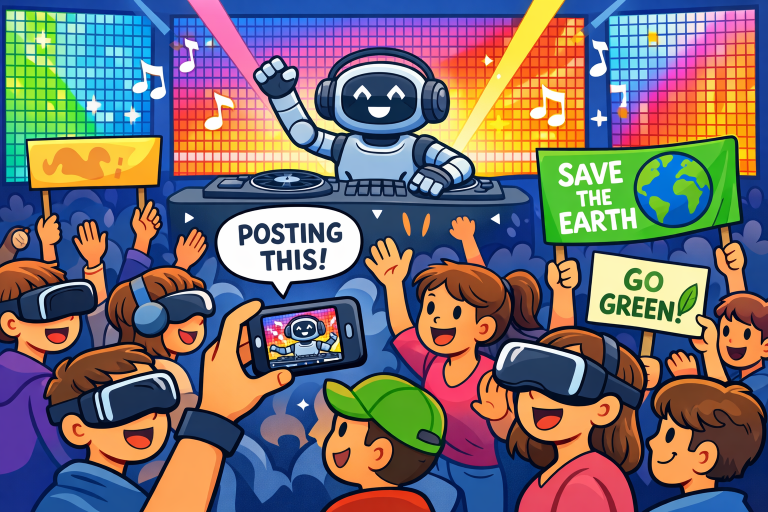
Event organizers have recognized the power of social media for amplifying attendee engagement. Technology now enables live polling, hashtag streams, and audience-generated content to be displayed in real time, both within the venue and across digital platforms. This creates a shared interactive narrative that involves everyone in the experience, even those participating virtually.
Social integration platforms pull live posts, photos, and videos onto big screens, encouraging guests to contribute and see their content featured. This type of audience participation not only strengthens the community but also provides organic marketing for the event far beyond its physical and temporal limits. A study by Forbes explores how real-time engagement can transform static events into vibrant, crowd-sourced spectacles.
Artificial Intelligence in Live Sound
The complexity of delivering pristine audio in large venues is now being tackled by artificial intelligence. AI-powered mixing consoles and sound systems constantly analyze input from microphones and instruments, adjusting levels on the fly to ensure every seat is optimized for clarity and depth. These intelligent systems can even detect feedback, adapt to real-time acoustic changes, and fix issues without manual intervention.
For sound engineers, this automation means more time for creative mixing and less stress over technical glitches. The audience benefits from a consistently high sound quality, regardless of seating location or environmental factors. In addition, AI-driven audio supports inclusivity through features such as live captioning and audio description, making events more accessible to all attendees.
Live Streaming and Hybrid Events
Recent years have seen a surge in hybrid events that merge on-site excitement with the convenience of virtual access. Live streaming platforms now offer high-definition video, multi-angle camera views, and immersive spatial audio, narrowing the sensory gap between in-person and online participants. These tools allow artists, speakers, and organizers to engage with wider, sometimes global, audiences in real time.
The shift toward hybrid formats also makes events more inclusive. Attendees with mobility constraints or those living in different regions can tune in, participate in Q&A sessions, or network with other fans online. Organizers benefit from expanded reach, richer attendee data, and additional revenue streams. As technology matures, the integration of features like chat overlays and instant polling further enhances interaction between the physical and digital spaces.
Personalized Fan Experiences
The use of data analytics and machine learning is allowing event organizers to create tailored experiences for every guest. By tracking preferences and real-time behaviors, organizers can offer personalized merchandise suggestions, VIP upgrades, interactive scavenger hunts, and curated content streams. Custom in-app notifications or wristband NFC chips guide attendees to can’t-miss attractions and deliver surprises based on their interests.
This granular personalization deepens the relationship between audience and event, making every attendee feel seen and valued. It can also encourage repeat attendance and bolster loyalty programs as fans look forward to unique, relevant surprises at every show.
Sustainable Event Technology
Environmental responsibility has become a key focus in the live event industry, driven by technology such as energy-efficient LED walls, digital ticketing, and cashless transactions to reduce waste. Options for remote participation help decrease travel emissions, while smart sensors are utilized to manage resources like water and lighting efficiently. Post-event sustainability practices include digital swag bags, reusable materials, and recycling initiatives, with the industry actively seeking eco-friendly partners. For further details, BBC Future explores the efforts of the live events industry to achieve net-zero goals.
Conclusion
Technology has fundamentally changed the live event landscape, enriching audience experiences through advanced visuals, intelligent sound, hybrid participation, and smart personalization. As the boundaries between virtual and physical attendance continue to fade, attendees can expect deeper engagement, greater accessibility, and more meaningful connections at every event. As innovation accelerates, the future of live entertainment promises to be more dynamic, inclusive, and sustainable than ever before.
