


Selling a home in New Jersey involves more than accepting the strongest offer. Between inspections, attorney review, title work, lender requirements, municipal records, and moving plans, small unfinished details can create avoidable pressure near the finish line. A prepared seller is better positioned to respond calmly, protect the agreed timeline, and understand the likely proceeds.
For homeowners in Elizabeth and surrounding Union County communities, local guidance can help turn a long checklist into a workable plan. The Elizabeth NJ real estate experts Christian Cobo Group are part of Cobo Group, a New Jersey real estate team that offers home searches, estimates, and buying and selling guidance for areas including Elizabeth, Cranford, Union, Roselle Park, and Scotch Plains. That neighborhood-level experience can be useful when comparing nearby homes, planning a listing launch, and anticipating common questions in transactions.
Why Closing Preparation Matters
A signed contract is a major milestone, but it is not the same as a completed sale. Missing payoff information, unclear personal-property terms, title concerns, repair disputes, or delayed paperwork can require additional time and negotiation. Preparing before the property is listed gives sellers more options than trying to solve every issue during the final week.
Start With a Realistic Selling Timeline
Build a timeline before listing that includes cleaning, decluttering, repairs, photography, showings, offer review, inspections, title work, and closing. Sellers who are also purchasing another home should leave room for coordination between the two transactions. A flexible closing date may strengthen an offer in some situations, but only if it fits the seller’s move, lease, or next-home plans.
Use the Early Weeks Wisely
- Set deadlines for repairs and pre-listing cleaning.
- Identify documents that may take time to request.
- Decide which belongings will move, stay, or be donated.
- Make a backup plan if the closing date changes.
Gather Documents Before They Become Urgent
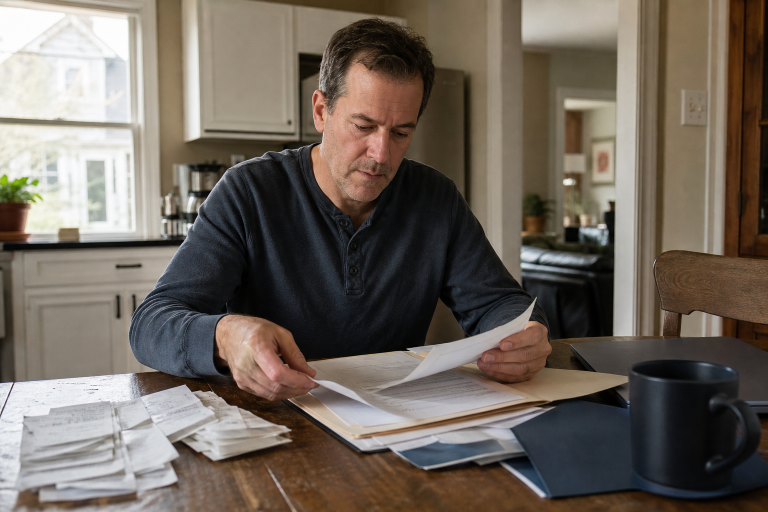
Create one organized folder, digital or paper, for property records. Useful items often include the current mortgage and home equity loan information, deed, survey, property-tax records, utility details, and receipts for major work. If the home has an association, collect its rules, fees, contact details, and resale documents. Sellers should also locate permits, warranties, solar agreements, information on leased equipment, and records related to flood conditions, underground tanks, or environmental work, when applicable.
Having these records ready does not eliminate every buyer’s question, but it makes it easier to provide accurate answers rather than relying on memory.
Review the Home Before a Buyer Does
A pre-listing walkthrough helps sellers spot visible and practical concerns. New Jersey weather can make drainage issues, basement moisture, roof leaks, and exterior wear especially noticeable after rain or during winter conditions. Check for leaks, test heating and cooling, run faucets, inspect railings and steps, and look for damaged windows or exposed safety hazards. Replace burned-out bulbs and clear storage areas so buyers can assess the home’s space and condition.
The objective is not to renovate every room. It is to address issues that could distract buyers, affect safety, or become predictable inspection negotiations.
Choose Repairs Based on Value, Not Emotion
Prioritize safety and function before cosmetic preferences. A loose handrail, an active leak, or a nonworking fixture can raise concerns during an inspection. By contrast, an expensive kitchen remodel may not be the best use of time or money if the surrounding homes and likely buyers do not support it. When an update is appropriate, simple, neutral materials often appeal to a wider audience. Keep invoices, warranties, and permits for completed work.
Set a Price That Can Withstand Comparison
An asking price is a marketing decision. A defensible value is supported by recent comparable sales, current competing listings, location, lot characteristics, condition, and timing. A neighbor’s asking price is not proof of what a buyer will pay. Pricing too high can reduce early interest and may lead to later reductions, while careful preparation helps a home make a clear first impression when it reaches the market.
Estimate Net Proceeds, Not Just the Sale Price
Before accepting an offer, it’s important to carefully estimate what you will have left after several financial considerations. These include the payoff amount of your mortgage, any outstanding balances on home equity loans, real estate service fees, attorney and title-related charges, agreed-upon credits, moving expenses, property tax adjustments, and utility adjustments. Additionally, sellers should factor in the state’s transfer charge, which typically applies when a deed is recorded for the sale of real property. Keep in mind that there may be exemptions or varying rates that could affect this fee in specific situations.
Prepare for Inspection and Negotiation
Keep the property accessible, reasonably clean, and safe for the inspection. Provide documentation for recent repairs when available, and expect questions about system ages, maintenance, and improvements. When requests arrive, separate significant safety or function concerns from minor items and preferences. A credit may sometimes resolve an issue more efficiently than rushing a repair, but every agreement should be documented through the proper contract process.
Manage the Final Week Before Closing
- Confirm that agreed-upon repairs are complete and retain proof of completion.
- Remove belongings that are not included in the contract.
- Leave appliances, fixtures, keys, remotes, or other items promised to the buyer.
- Keep utilities active through the required date.
- Review the settlement statement and estimated proceeds before signing.
- Confirm the closing appointment, identification requirements, and final walk-through access.
Wire fraud deserves special attention. Do not rely on last-minute wiring instructions sent by email alone. Verify payment instructions by calling a trusted attorney, title professional, or financial institution using a known phone number.
Understand What Buyers Review at the End
Before signing, buyers typically focus on the final price, credits, tax and fee adjustments, repair agreements, included items, loan details, title information, and the property’s condition at the final walk-through. Sellers can reduce friction by resolving open questions early and leaving the home in the condition required by the contract. A closing checklist from the Consumer Financial Protection Bureau outlines practical final steps, such as reviewing documents, completing the walk-through, and confirming that agreed-upon repairs have been completed.
Common Closing Delays Sellers Can Often Prevent
- Unresolved title issues or delayed mortgage payoff statements.
- Missing permits or paperwork for additions and finished spaces.
- Unpaid municipal charges, taxes, or association obligations.
- Incomplete repairs or vague repair agreements.
- Confusion about fixtures, appliances, or personal property included in the sale.
- Last-minute moving changes and unverified wire instructions.
A Simple 30-Day Seller Preparation Plan
- Week one: Gather records, review loan balances, and identify needed repairs.
- Week two: Complete high-priority work, declutter, clean, and organize warranties.
- Week three: Confirm pricing, prepare photographs, and finalize listing details.
- Week four: Review offers carefully, clarify timelines and included items, and prepare for inspection and attorney review.
Conclusion: A Smooth Closing Starts Before the Offer
New Jersey sellers can rarely control every part of a transaction, but they can control their preparation. Clear records, realistic pricing, sensible repairs, a well-planned move, and careful review of contract terms reduce surprises. Start early, communicate clearly, and involve qualified legal, tax, and real estate professionals when their guidance is needed.
