


Understanding Colorado’s DUI Laws on Prescription Medications
Prescription medications serve as a lifeline for many individuals managing health conditions, but in Colorado, these same medicines can result in serious legal troubles if they affect your driving abilities. Under Colorado Revised Statutes § 42-4-1301, it is unlawful for any person to operate a vehicle if their ability is even slightly impaired due to alcohol, illegal substances, or legitimately prescribed medications. This means that the law does not distinguish between impairment from street drugs and that from your physician’s prescription—both can land you with a DUI charge if your driving is adversely affected.
A common misconception is that having a valid prescription entitles you to drive freely, regardless of the medication’s effects. However, Colorado law treats any form of impairment while driving with equal seriousness. If a law enforcement officer determines that you are not able to drive safely because of your prescribed medication, you can be arrested and charged with DUI. For more details on your rights and the nuances of defending against such charges, visit martinlawfirmpc.com.
Law enforcement officers undergo special training to recognize signs of drug-related impairment. These evaluations could include field sobriety tests and questions about your health or recent medication use. Even if you are taking your medicine exactly as prescribed, being unaware of side effects that impact your driving can put you at legal risk.
The U.S. Food & Drug Administration (FDA) also warns drivers to be cautious, noting that many prescription drugs carry risks such as drowsiness, delayed reaction times, or blurred vision, even if you believe your condition is under control. Staying informed about the risks associated with your medication is crucial for every driver. For more information, refer to the FDA’s guidance on the use of drugs and driving.
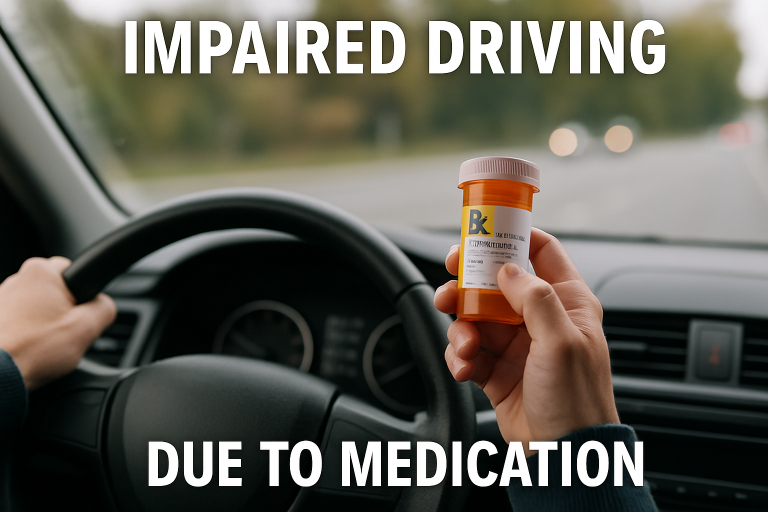
Standard Prescription Medications That Can Lead to DUI Charges
Some classes of medication are well-known for impairing thinking and reaction times, exposing drivers to a higher risk of DUI charges in Colorado. Among the most common:
- Opioid Pain Relievers: Drugs like hydrocodone (Vicodin) and oxycodone (OxyContin) are notorious for causing sleepiness, dizziness, and confusion, which severely impact driving.
- Benzodiazepines: Prescriptions such as Xanax, Ativan, and Valium are intended for anxiety or sleep disorders, but often induce deep sedation and reduce coordination—even with low doses.
- Non-benzodiazepine Sleep Aids: Medications such as Ambien or Lunesta are associated with “next-morning” impairment, where drivers may feel groggy long after waking up.
Even lesser-known drugs, such as certain antidepressants or anti-seizure medicines, have similar side effects and risks. The key is not how the drug is obtained, but whether it impairs your ability to operate a vehicle safely. Comprehensive lists of impairing drugs and driving safety advisories can also be found on national transportation sources, such as the National Highway Traffic Safety Administration.
Implied Consent and Chemical Testing in Colorado
Colorado operates under an “implied consent” law, meaning any driver on Colorado roadways has already agreed to submit to a chemical test if police reasonably suspect them of being impaired. Refusing to take a blood or breath test has almost immediate consequences: administrative license suspension, mandatory ignition interlock (for reinstatement), and the refusal itself may be used against you in court.
Chemical tests in drug cases usually involve drawing blood, since breathalyzers can only detect alcohol. While a positive result for medication does not automatically mean you’re guilty, lab results that show drugs within your system can be robust evidence in court—especially if linked to problematic driving observed by law enforcement.
Legal Consequences of a Prescription Medication DUI
The penalties for a prescription medication DUI conviction in Colorado are on par with those for alcohol-related DUIs. For first-time offenders, consequences often include up to one year in jail, fines of up to $1,000, a mandatory nine-month license revocation, community service, and attendance in drug and alcohol education or therapy. Repeat offenses and cases involving accidents, injuries, or minors in the vehicle trigger even more severe consequences.
A DUI can lead to lasting damage to your reputation, higher insurance costs, and employment challenges, especially for those in industries requiring a clean driving record. To see how prescription DUIs compare to alcohol DUIs and for further reading, visit NHTSA’s campaign on prescription and over-the-counter medicines.
Defending Against Prescription Medication DUI Charges
If you find yourself facing DUI charges because of prescription medication, your defense will require a tailored approach. Challenging the methods law enforcement uses is often key: field sobriety tests are primarily designed for alcohol and may not reliably detect drug impairment.
- Challenging Test Accuracy: Field sobriety tests and officer assumptions may be disputed, particularly if your medical or physical conditions impacted your performance.
- Expert Medical Testimony: A medical professional can clarify the exact effect of your prescribed dosage and provide context on whether the level found in your system was truly impairing.
- Video and Witness Evidence: Dashboard and body camera footage, as well as witness statements, may contradict the police narrative or show you driving safely before the stop.
Consulting with a knowledgeable DUI lawyer is crucial for defending your rights and ensuring that all possible defenses are thoroughly explored. Legal guidance is essential given the technical nature of prescription medication DUIs.
Preventive Measures for Drivers on Prescription Medications
The good news is that there are proactive steps you can take if you use prescription medication and need to drive:
- Talk Openly With Your Healthcare Provider: Before starting or renewing any medication, ask your doctor or pharmacist about potential side effects that may affect your ability to drive.
- Read Warning Labels: Heed any “do not operate heavy machinery” warnings—these include automobiles.
- Track Your Own Reactions: Everyone responds differently to medications, especially when first taking them or when dosage adjustments are made.
- Plan Ahead: If you anticipate that a medication will cause drowsiness or reduce your alertness, arrange for alternative transportation.
Conclusion
Colorado’s DUI laws are clear—impairment is what matters, not the legality of the substance. Taking your prescription responsibly and staying informed about its side effects are key to avoiding life-changing legal trouble. When in doubt, err on the side of caution and consult legal counsel for guidance if you are ever questioned or arrested. By prioritizing safety and awareness, you can protect your well-being and maintain a strong legal standing on Colorado roads.
