

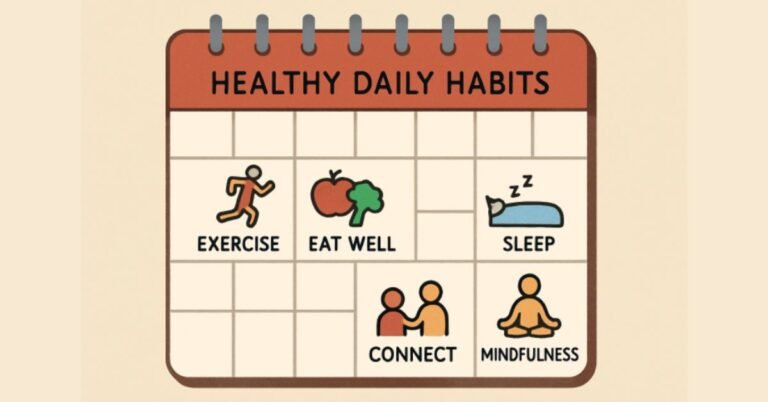
Managing anxiety is an ongoing journey influenced by more than just formal treatment methods. Everyday routines, from how we start the morning to evening winding-down rituals, shape our emotional landscape. Incorporating positive changes into our daily lives can significantly foster mental resilience and help regulate anxiety. Whether taking a moment for mindfulness or seeking support from an anxiety therapist, understanding the connection between routine actions and mental health empowers individuals to make choices that support long-term well-being.
When anxiety feels overwhelming, it can be easy to overlook the small habits that build up our coping capacity over time. Yet, science continues to highlight the benefits of consistent physical activity, sleep, social connection, and mindful practices in managing symptoms and building emotional flexibility. By taking a closer look at these daily habits, it becomes clear how transformative even simple changes can be for overall mental wellness.
Implementing effective daily habits doesn’t mean overhauling your life all at once. Stepwise, manageable shifts—like eating a nutritious breakfast or moving your body each day—stack up powerfully. These routines not only offer comfort but also stabilize mood and reduce the unpredictability that can trigger anxiety flare-ups. Incorporating reflection and adaptability in response to what’s working further enhances self-efficacy in anxiety management.
The Power of Routine
Stability is essential when managing anxiety. Simple, repeatable routines—like making your bed, following a set mealtime, or planning your day—create footholds of predictability. According to WebMD, routines can provide a sense of stability in times of chaos and help regulate emotional responses. Even when life feels out of control, habits offer a structure that grounds us, enabling more responsive—not reactive—interactions with stressors.

Physical Activity: A Natural Antidote
Movement is a powerful tool in relieving anxiety. When you engage in regular physical activity, your body releases endorphins—chemicals that boost mood and reduce stress naturally. Whether it’s a brisk walk, a yoga session, or a dance break, even moderate exercise can bring about clarity and calm. The American Psychological Association highlights that regular exercise not only helps process anxious energy but also improves sleep, which further helps protect against anxiety flare-ups.
Mindfulness and Meditation
Mindfulness brings the mind into the present, helping to break the loop of ruminative thoughts that fuel anxiety. Practices such as meditation, deep breathing, or mindful walking can be easily integrated into daily life. Even a few minutes spent focusing on breath or body sensations is shown to lower cortisol levels and steady racing thoughts. According to the National Institute of Mental Health, mindfulness not only soothes the nervous system but also builds emotional awareness and acceptance.
Quality Sleep: The Foundation of Mental Health
Sleep is a cornerstone of anxiety management. Poor or inconsistent sleep can amplify irritability and worry, and decrease emotional control. Building restful sleep habits—such as maintaining a regular bedtime, limiting evening screen use, and creating a calming nighttime environment—strengthens the body’s ability to recover from daily stress. Experts recommend 7-9 hours of sleep for adults, noting that adequate rest is necessary for emotional processing and physical restoration.
Limiting Screen Time
Today’s digital world can hinder our efforts toward calmer minds. Excessive use of screens, especially in the hours before bed, disrupts melatonin production and delays sleep, which in turn increases anxiety risk. Setting boundaries—a tech curfew, engaging in offline hobbies, or replacing scrolling with a book—helps safeguard both sleep and mental health. Studies from The New York Times confirm that moderated use is key to well-being.
Balanced Diet: Fueling the Mind
Nutrition plays a direct role in emotional regulation. Diets rich in fruits, vegetables, lean proteins, and healthy fats support brain health and reduce the physiological impact of stress. Avoiding excess processed foods, caffeine, and sugar helps steady energy and reduce jittery feelings. Choosing meals that include omega-3 fatty acids (found in fish, walnuts, or flaxseeds) can help bolster brain function and reduce symptoms of anxiety, as research from Harvard Health has shown.
Social Connections: Building a Support Network
No one should approach anxiety alone. Having people to lean on—a trusted friend, family member, or support group—provides comfort, perspective, and reduces isolation. Meaningful conversations and shared experiences release oxytocin, which naturally calms the nervous system and builds connection. Social ties also create an avenue for advice and encouragement, helping individuals remember they’re not alone.
Final Thoughts
Small, intentional habits can profoundly impact anxiety over time. By structuring daily routines, seeking movement, practicing mindfulness, prioritizing quality sleep, managing screen time, nourishing the body, and fostering relationships, individuals build resilience and create an environment of support and stability. Embracing these manageable changes—and reaching out to professionals when needed—can transform the experience of anxiety and open pathways to greater mental health.
