

Key Takeaways
- Robotic-assisted surgeries provide greater accuracy in implant placement, leading to improved alignment and increased implant longevity.
- Patients undergoing these procedures often report reduced pain and a faster return to normal activities.
- Surgeons benefit from enhanced preoperative planning and dynamic intraoperative guidance, boosting procedural confidence and outcomes.
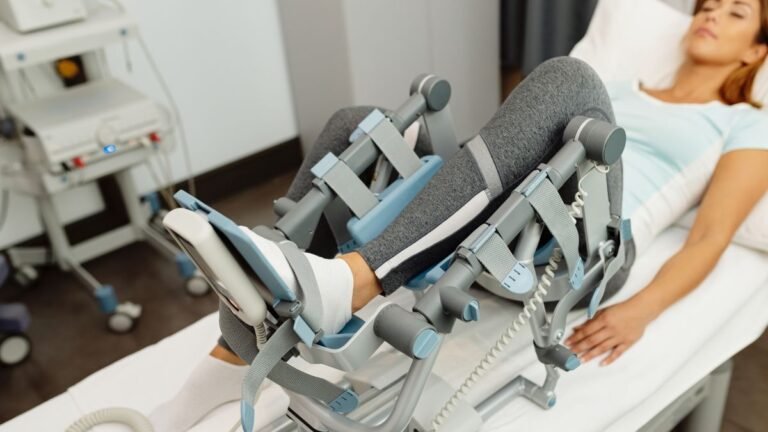
Robotic technology is dramatically transforming the landscape of knee and hip surgery. Patients and surgeons alike are experiencing a new era of orthopedic procedures, highlighting greater precision, tailored treatments, and quicker recoveries. Robotic-assisted approaches, most notably the benefits of Mako robotic surgery for hip and knee replacements, are changing expectations, and medical centers are increasingly integrating these advanced technologies to elevate standards of care.
By leveraging real-time data, 3D modeling, and intraoperative feedback, robotics enables more personalized, minimally invasive procedures. This not only benefits the patient by providing a smoother recovery and more natural postoperative movement but also allows surgeons to achieve outcomes that were previously difficult with traditional methods.
The Rise of Robotic-Assisted Joint Replacements
Over the past decade, orthopedic surgery has seen a steep rise in the use of robotic systems for knee and hip replacements. Data from the American Joint Replacement Registry indicates a remarkable 23% increase in total hip and knee replacement surgeries in 2023 compared to the previous year. Notably, there has been a 600% increase in robotic-assisted knee replacements since 2017, demonstrating growing confidence in surgical robotics for its complexity and accuracy.
As surgeons pursue better clinical outcomes, robotic platforms like Mako SmartRobotics have established new industry benchmarks. Hospitals are eager to adopt technologies that present clear evidence of enhancing recovery, reducing errors, and increasing patient satisfaction. The trend underscores the pivotal role of cutting-edge robotics in shaping the future of orthopedics.
Enhanced Precision and Personalization
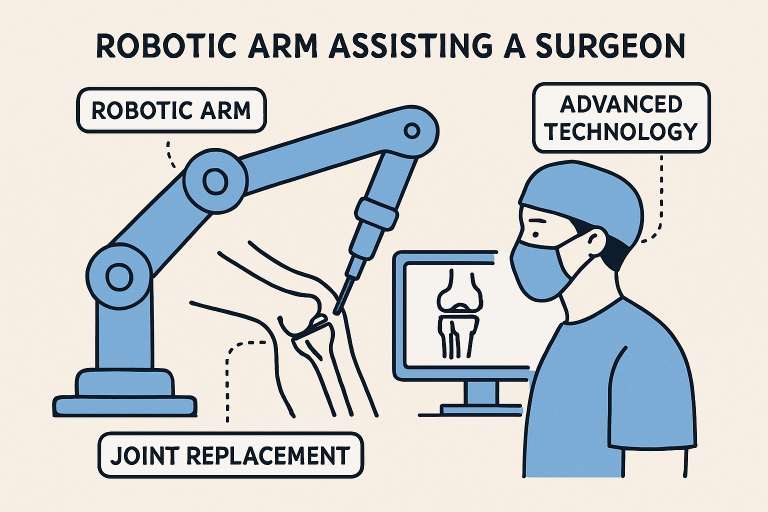
One of the greatest advantages of robotic platforms is the ability to create highly individualized surgical plans. Preoperatively, surgeons use advanced imaging to construct a detailed 3D representation of the patient’s anatomy. These models help plan the optimal size, angle, and position of prosthetic implants, thereby reducing the risk of misalignment—a key factor in premature implant failure.
During surgery, robotic tools provide intraoperative feedback that allows the surgeon to make real-time adjustments, guiding the precise removal of bone and accurate placement of implants. For instance, systems like Mako SmartRobotics deliver millimeter-level accuracy, helping ensure that implants mimic the patient’s unique joint mechanics. Peer-reviewed research published by the National Institutes of Health supports that these technological advances consistently lead to better outcomes and fewer complications.
Improved Patient Outcomes
Patients who undergo robotic-assisted joint replacement often experience key advantages over those receiving traditional procedures. Minimally invasive approaches spare soft tissue and healthy bone, resulting in less postoperative pain and a reduced risk of infection. Studies also show that patients have shorter hospital stays and enjoy more rapid recoveries, often returning to daily activities weeks earlier than with older techniques.
Additionally, the precision of robotic systems is linked to longer-lasting implants, resulting in fewer revision surgeries and reinterventions in the years following joint replacement. According to Forbes, the demand for robotic surgeries continues to climb as more patients and healthcare systems recognize these clear benefits.
Advancements in Surgical Techniques
Leading academic and medical centers are pushing the frontiers of robotics in orthopedics. For example, Emory Healthcare, renowned for its innovation, has performed more than 1,000 Mako robotic-assisted knee replacements. Their experience reflects the significant improvements in accuracy and patient satisfaction attributed to robotic guidance. This is echoed in the practices of several other top institutions, propelling the national movement toward automation and digital health in orthopedics.
As these systems become more widely available, surgeons’ training programs are rapidly evolving to include dedicated robotics components. This integration ensures that the next generation of orthopedic specialists will enter the field already equipped with expertise in these state-of-the-art surgical modalities.
Economic Considerations
While the financial commitment to acquire and maintain robotic systems is substantial, the long-term economic outlook is optimistic. Hospitals achieve significant savings over time through reduced rates of revision surgeries, fewer complications, and shorter inpatient stays. Patient satisfaction and improved results often translate into a higher volume of procedures and an enhanced reputation for surgical excellence.
These investments also serve as differentiators for medical centers competing in regional and national markets. As technology matures and adoption rises, access to robotic joint replacement may become more affordable and widespread, further advancing the field overall.
Future Prospects
Looking ahead, innovation in orthopedic robotics is accelerating. Artificial intelligence is expected to refine preoperative planning by leveraging comprehensive data from prior procedures and real-time patient feedback. Surgeons will have new tools for intraoperative decision-making, enabling even safer, more personalized care. The ongoing research aims to expand robotic platforms beyond knee and hip replacements to address shoulders, ankles, and other joints.
Collaborative efforts between engineers, clinicians, and technology companies are poised to continue advancing these capabilities. As patient outcomes and surgical precision continue to improve, robotic systems will become the standard of care across a growing array of orthopedic procedures.
Conclusion
Robotics is fundamentally reshaping knee and hip surgery by offering exceptional precision, customization, and outcomes that benefit both patients and providers. The rapid growth of robotic-assisted procedures, driven by robust data and real-world successes, signals an exciting future for orthopedic care as technology continues to evolve and improve lives.
