

Investing in New Jersey’s real estate market is increasingly attractive for both new and seasoned investors, thanks to its prime location, strong demand, and evolving suburban appeal. Understanding key market drivers and what separates “investment-ready” properties from the rest can dramatically boost potential returns. When you’re partnering with Rumson NJ real estate experts Ten Hoeve Realty Group, you gain valuable local insight that helps you identify and secure highly sought-after opportunities.
However, success in the Garden State’s market goes beyond simply finding a desirable property. It requires strategic decision-making informed by factors such as location trends, property type, financial planning, and a keen grasp of taxes and regulations. These variables are central to managing risk and shaping your long-term investment results.
New Jersey is marked by high demand and low inventory—a dynamic that creates both competition and potential rewards. The migration from city centers to suburban neighborhoods during recent years has only intensified buyer and renter interest, making it even more critical for investors to know exactly what to look for. From thriving commuter towns to up-and-coming localities benefiting from urban revitalization, there’s no shortage of promising areas for those who do their homework.
Because local regulations and incentives can change swiftly, partnering with experienced advisors and staying on top of market data makes all the difference. Even a well-located property can underperform without comprehensive planning and compliance with local rules. Being informed means your portfolio not only survives but thrives for years to come.
Market Overview
New Jersey’s real estate landscape has been shaped by its proximity to New York City and Philadelphia, catering to commuters and those seeking a balance of urban amenities and peaceful suburbs. The market’s limited inventory keeps prices under pressure, favoring sellers while making it harder for investors to find bargains. According to CNBC, home sales are often swift, and competitive offers are now the norm throughout much of the state.
Unique to New Jersey, migration patterns following COVID-19 have reinforced demand for homes with more space, outdoor access, and top-tier schools. Cities like Jersey City and Hoboken remain hotbeds for buyers who want proximity to major employers. At the same time, communities such as Montclair, Red Bank, and Princeton cater to families seeking charm and amenities.
Location Matters
Where you buy in New Jersey can have a huge impact on both short- and long-term success. Rental and resale values are consistently strong in transit-accessible towns. For instance, properties in Jersey City, Hoboken, and Morristown routinely command premium prices due to their seamless commutes and vibrant local economies. Similarly, neighborhoods experiencing revitalization—such as Newark’s Ironbound District—offer growth potential as developments, restaurants, and green spaces take root.
Neighborhood Trends and Appreciation
Investors are increasingly looking beyond current “hotspots” for up-and-coming areas being reshaped by public and private investment. Early purchases in these districts can yield significant appreciation as infrastructure and desirability improve. Factors such as school ratings, access to parks, and walkability are gaining weight among buyers and renters, influencing long-term potential.
Property Types and Their Potential
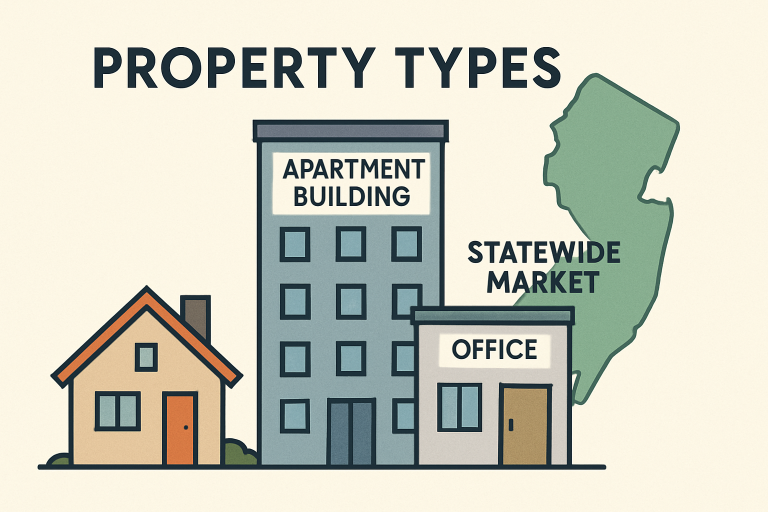
Every property type in New Jersey carries distinct advantages and considerations for investors:
- Single-Family Homes: Known for their stability and appeal to families, these are often viewed as safe bets for appreciation, especially in towns with strong schools and amenities.
- Multi-Family Units: These offer multiple rental income streams, spreading vacancy risk and supporting cash flow. Towns with universities or large employers are rich hunting grounds for multi-family investments.
- Commercial Properties: From office parks to mixed-use developments, commercial spaces can deliver higher yields but require more management expertise and carry greater exposure to shifts in economic cycles.
Matching the right property type to market demand and your specific investment goals is essential for long-term success. Market research and local insight are vital for making the right selection.
Financial Considerations
One of the most significant factors unique to New Jersey real estate is property taxes; the state consistently ranks among the highest in the US, often exceeding 2% of assessed property value, according to CNBC. Rising taxes can quickly diminish returns unless rental income and appreciation keep pace.
Savvy investors ensure they understand not only purchase and renovation costs but also ongoing property taxes, insurance, and maintenance. Securing the best available financing terms and maintaining a healthy debt-to-income ratio underpins long-term profitability, particularly for buy-and-hold or value-add strategies.
Understanding the Regulatory Environment
New Jersey’s regulatory framework is nuanced, with considerable variation at the local level. Zoning laws, occupancy permits, and rental licensing can affect both residential and commercial investment properties. Towns such as Hoboken and Jersey City have implemented rent control or other tenant protections that may limit rent growth and affect cash flow projections.
Navigating Legal Complexities
Staying compliant and responsive to changing rules ensures your investment remains profitable and hassle-free. This often requires both legal counsel and boots-on-the-ground expertise to address unexpected issues, such as code enforcement or permitting delays.
Long-Term Investment Strategies
Building wealth in New Jersey’s real estate market often comes down to choosing the right strategy for your resources and timeline.
- Buy-and-Hold: This classic approach capitalizes on long-term value appreciation while generating steady rental income, particularly in established suburbs and well-connected communities.
- House-Hacking: Live in one unit of a multi-family property while renting out the rest to offset your mortgage or expenses—a popular strategy for both new and experienced investors.
- Short-Term Rentals: Especially in shore towns like Ocean City or Asbury Park, short-term and vacation rentals can deliver high seasonal returns, provided you comply with all local regulations and licensing.
Each tactic relies on thorough planning, risk assessment, and a keen understanding of evolving market dynamics. Ongoing education, adaptability, and regular portfolio review are key to maintaining your edge.
Conclusion
With high demand, rapid community development, and diverse property types, New Jersey offers significant long-term real estate investment potential. Success is anchored in careful attention to market trends, sound financial planning, and navigation of the state’s unique regulatory landscape. By focusing on these fundamentals, investors can position themselves to thrive in one of the country’s most competitive property markets.
