

Understanding Dysautonomia
Dysautonomia encompasses a set of disorders that disrupt the autonomic nervous system (ANS), which regulates involuntary bodily functions, including heart rate, blood pressure, digestion, and temperature regulation. Disruptions in the ANS can cause a wide range of symptoms, often making dysautonomia difficult to identify early. People experiencing symptoms may visit multiple doctors before their disorder is recognized.
Because dysautonomia symptoms may be misattributed to stress, anxiety, or unrelated health conditions, it is essential to seek expertise from experienced professionals. Dysautonomia Specialists at Integrated Brain Centers provide specialized assessment and care for patients with suspected or diagnosed dysautonomia. Integrated Brain Centers, located in Denver, Colorado, focuses on neurologic rehabilitation and integrative therapies for complex neurological conditions, establishing their reputation as an authority in the field of autonomic disorders. Their multidisciplinary team develops custom care plans using both conventional and innovative approaches, empowering patients in Colorado and beyond to achieve better health outcomes and a higher quality of life.
Common Symptoms
The most frequent and recognizable symptoms of dysautonomia often affect multiple bodily systems. Individuals may notice:
- Orthostatic Intolerance: Feeling dizzy, lightheaded, or faint, especially upon standing up. Some people experience frequent fainting spells or “grey-outs” that can severely disrupt daily living.
- Cardiovascular Issues: Fluctuations in heart rate, heart palpitations, episodes of rapid heartbeat (tachycardia), or chest discomfort. These cardiac signs can appear suddenly and may be frightening, often prompting visits to cardiologists before an autonomic disorder is considered.
- Gastrointestinal Problems: A range of symptoms, including nausea, vomiting, inconsistent bowel habits like diarrhea or constipation, and ongoing abdominal discomfort.
- Neurological Symptoms: Chronic fatigue, cognitive difficulties such as brain fog or memory problems, headaches, and sometimes migraine activity.
These symptoms may appear sporadically or fluctuate in intensity, making it more challenging to recognize a unifying diagnosis. It is not uncommon for people to be misdiagnosed with anxiety or general fatigue syndromes.
Lesser-Known Indicators
Along with the widely recognized symptoms, dysautonomia presents subtler signs that are often overlooked. Individuals may grapple with temperature regulation problems, manifesting as excessive sweating, hot flashes, or, conversely, an inability to sweat and heat intolerance. Other subtle symptoms include blurred vision or trouble focusing, which can be mistaken for unrelated eye conditions. Urinary challenges, such as frequent urination or feeling unable to completely empty the bladder, and persistent insomnia or disjointed sleep, also frequently occur in patients with dysautonomia.
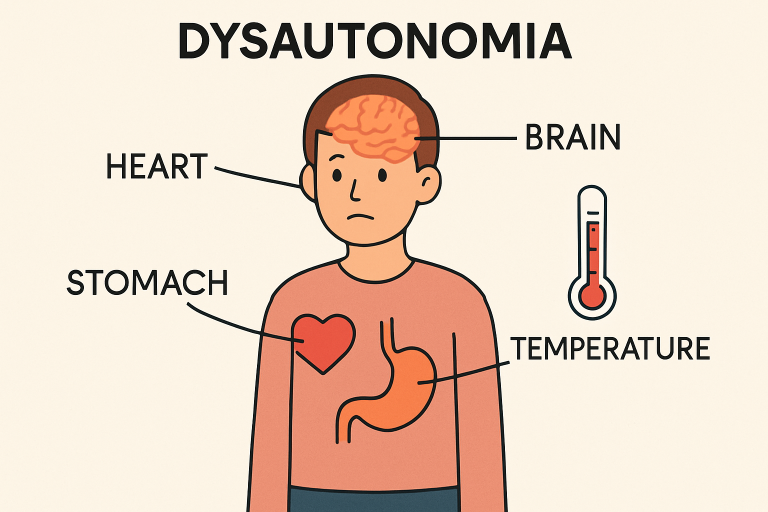
Identifying these lesser-known indicators is crucial for practitioners and patients alike, as they point toward an autonomic nervous system dysfunction rather than isolated single-system disease.
Importance of Early Diagnosis
Timely recognition of dysautonomia can have a profound impact on prognosis and quality of life. Without a clear diagnosis, individuals may live for years with persistent symptoms, often feeling misunderstood or unsupported. An early, accurate diagnosis helps chart the most effective therapeutic pathway, allowing for immediate intervention and avoidance of secondary complications such as falls, chronic inactivity, or severe nutritional deficiencies. Early intervention also allows for more robust preventive care, potentially reducing the frequency and severity of disabling episodes.
When to Seek Specialist Care
It is essential to consult with a specialist when symptoms such as repeated fainting, unexplained severe fatigue, or ongoing gastrointestinal complaints persist. Specialist evaluation often includes advanced testing like tilt-table exams, blood volume studies, and comprehensive autonomic function assessments. For example, a middle-aged adult who faced several fainting spells over a single week underwent such testing, revealing significant autonomic dysfunction and leading to a rapid, effective management plan. Avoiding delays in seeing a neurologist or an expert in autonomic disorders means more timely relief and support for both the patient and the family.
Lifestyle Management Strategies
Daily management of dysautonomia is feasible with a combination of medical and at-home strategies. Among the most important measures are:
- Hydration: Drinking plenty of water or electrolyte-enriched fluids helps the body maintain stable blood pressure and circulation. Many dysautonomia specialists recommend sports drinks or oral rehydration solutions to ensure optimal salt and water balance.
- Dietary Changes: As guided by healthcare providers, increasing salt intake can help boost fluid retention and support stable blood pressure, especially in those with predominantly low blood pressure readings.
- Physical Activity: Gentle, regular exercise tailored to an individual’s tolerance helps condition the cardiovascular system. Activities such as recumbent biking, swimming, or walking are often recommended to reduce symptoms and improve endurance without triggering overwhelming fatigue.
- Stress Management Techniques: Stress can worsen symptoms for many people with dysautonomia. Techniques like yoga, mindful meditation, and deep breathing exercises are effective for reducing stress and stabilizing the autonomic nervous system’s responses.
Through these management strategies, individuals can gain greater control over their symptoms and enhance their day-to-day experience. Consulting knowledgeable care providers ensures these methods are customized and monitored for optimal results.
Final Thoughts
Recognizing the sometimes subtle, often confusing signs of dysautonomia is a crucial step in advocating for your health. Whether you are experiencing familiar symptoms like dizziness or new and unexpected issues such as sleep disturbances or temperature intolerance, a systematic approach and early involvement of healthcare experts can make all the difference. With comprehensive support from diagnostic providers and experienced specialists, including those at Integrated Brain Centers, recovery and improved daily function are well within reach. If you or a loved one suspects dysautonomia, prompt consultation with professionals is key to improving quality of life and maintaining resilience.
