

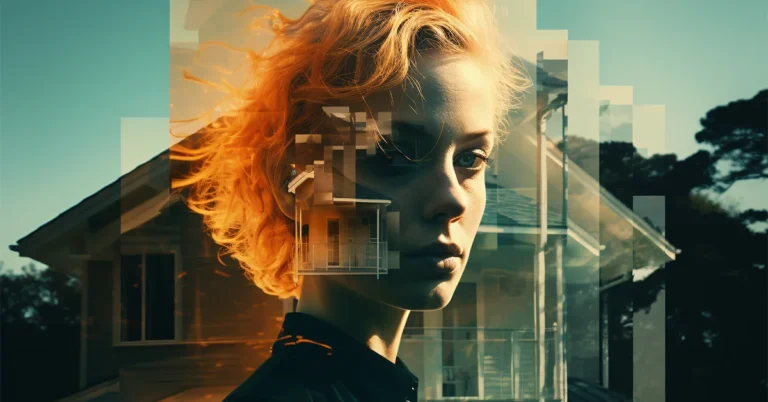
Art has always been a powerful tool for exploring identity. From classical oil paintings to modern digital creations, artists have used self-portraits to capture who they are—how they feel, think, and see themselves. But what happens when we step away from traditional mediums like paint or photography and explore unusual materials? Self-portraits in unusual media open doors to unique self-expression, allowing artists to convey deeper layers of their identity in ways words sometimes cannot.
we’ll dive into the world of self-portraits made with unconventional materials. We’ll explore what they reveal about identity, why artists are drawn to unusual media, and how you, too, can experiment with your own creative expressions. Whether you’re an artist, art enthusiast, or someone curious about self-exploration, this guide will provide insights, inspiration, and practical ideas.
ALSO READ: Teamworks Starbucks: Building A Culture Beyond The Coffee
Understanding Identity In Art
Before exploring unusual media, it’s essential to understand what identity in art means. Identity isn’t just about physical appearance. It encompasses:
- Emotional state: How you feel internally.
- Cultural background: Traditions, heritage, and community.
- Personal experiences: Life events that shape who you are.
- Social roles: Family, career, relationships, and societal expectations.
Self-portraits provide a unique lens to examine these layers. Through art, you can explore your inner world in ways that words often fail to express. By using unusual materials, artists push the boundaries of what identity can look like, transforming the medium itself into part of the message.
Why Artists Use Unusual Media For Self-Portraits
Traditional media like pencil, paint, or digital photography are familiar and effective. However, unusual materials—think fabric, metal, recycled objects, food, or even natural elements like leaves and sand—bring something new to the table. Here’s why artists often choose unconventional media:
Breaking Norms
Unusual media challenges the expectation of what a self-portrait “should” look like. This allows the artist to question identity norms, societal pressures, and stereotypes in a visual, tangible way.
Enhancing Emotional Depth
Materials themselves carry emotional weight. For example, using shredded paper might symbolize fragmentation or chaos, while soft fabrics can evoke comfort or vulnerability. The choice of material becomes a layer of storytelling, reflecting inner emotions.
Encouraging Experimentation
Working with unconventional media pushes artists to think differently. It encourages problem-solving, imagination, and innovative approaches to self-expression.
Connecting with Sustainability
Some artists use recycled or natural materials to make a statement about identity in the context of the environment and social responsibility. This approach can add a political or ethical dimension to self-exploration.
Unusual Media In Self-Portraits: Inspiring Examples
Here are some fascinating ways artists have explored identity through unconventional materials:
Textiles and Fabric
Using textiles allows artists to weave personal narratives literally and metaphorically. Quilts, ribbons, or layered fabrics can represent the complexity of identity. An artist may stitch memories or cultural symbols into their self-portrait, blending visual art with storytelling.
Recycled Materials
Everyday objects—bottle caps, newspaper clippings, plastic wrappers—can be transformed into portraits. This approach not only highlights creativity but can also reflect an artist’s commentary on consumption, memory, or personal history.
Natural Elements
Leaves, stones, sand, or flowers add a raw, organic quality. They can represent a connection to nature, impermanence, or growth. Imagine a self-portrait made entirely of fallen leaves—each leaf could symbolize a chapter in life or a fleeting emotion.
Food Art
Food-based self-portraits might sound unusual, but they provide a sensory experience that’s both visual and edible. Ingredients like spices, chocolate, or grains can convey cultural heritage, personal habits, or playful experimentation.
Digital Manipulation and Mixed Media
Combining digital tools with physical objects allows artists to blur the lines between virtual and real identities. A self-portrait might include scanned textures, 3D-printed elements, or augmented reality overlays, exploring how identity exists in multiple dimensions today.
The Psychological Impact Of Creating Self-Portraits In Unusual Media
Art therapy studies show that creating self-portraits can improve self-awareness, emotional regulation, and personal insight. When unusual materials are introduced, this effect can deepen because:
- Tactile interaction: Working with hands-on materials increases engagement with the creative process.
- Sensory exploration: Different textures, weights, and colors can evoke feelings that inspire self-reflection.
- Breaking routine thinking: Unconventional methods challenge habitual patterns, allowing new perspectives on identity to emerge.
How To Create Your Own Self-Portrait Using Unusual Media
If you want to experiment with self-portraits in unusual media, here’s a simple step-by-step guide:
Reflect on Your Identity
Before picking materials, spend time considering what aspects of yourself you want to express. Ask questions like:
- What emotions dominate my life right now?
- Which memories or experiences shaped me?
- Are there cultural or social elements I want to highlight?
Choose Your Materials
Think outside traditional media. Some ideas:
- Recycled objects: magazines, bottle caps, fabric scraps.
- Nature: leaves, sand, flowers.
- Food: coffee, spices, colored powders.
- Mixed media: combine textures, digital prints, and physical objects.
Sketch or Plan Your Composition
Even with unusual media, planning helps. Sketching a rough outline ensures the materials work together harmoniously and convey your intended message.
Experiment and Layer
Build your portrait gradually. Layering materials can create depth and texture, mirroring the complexity of identity. Don’t be afraid to make mistakes—unexpected outcomes often enhance the final piece.
Reflect and Interpret
Once finished, take time to reflect. What does your self-portrait say about you? How do the materials amplify the emotional or conceptual message?
Benefits Of Exploring Identity Through Unusual Media
Enhanced Self-Understanding
The process encourages introspection, helping you recognize layers of identity that may be hidden or overlooked.
Creative Growth
Using unconventional materials sparks innovation, improves problem-solving skills, and nurtures artistic versatility.
Unique Artistic Expression
No two self-portraits in unusual media are alike. The materials themselves communicate meaning, making each piece deeply personal and memorable.
Emotional Release
Manipulating unconventional textures and materials can provide therapeutic benefits, reducing stress and fostering emotional healing.
Connection with Others
Sharing your work allows viewers to engage with your identity in new ways. It can inspire empathy, dialogue, and appreciation for diverse forms of self-expression.
Challenges Artists May Face
While exciting, self-portraits in unusual media come with challenges:
- Durability: Natural or perishable materials can degrade quickly.
- Technical skill: Some materials require practice to manipulate effectively.
- Interpretation: Abstract or unusual portraits may confuse viewers unfamiliar with the medium.
- Accessibility: Some unconventional materials might be expensive or hard to source.
Overcoming these challenges often becomes part of the creative journey, deepening the meaning behind the artwork.
Conclusion
Exploring identity through self-portraits in unusual media is a rich, rewarding practice. It allows artists to break away from traditional norms, experiment boldly, and communicate complex emotions and experiences in visually compelling ways. Whether using recycled objects, organic materials, or innovative mixed media, these self-portraits tell stories that go beyond surface appearances, revealing the layered, nuanced nature of identity itself.
By embracing unconventional materials, you not only expand your artistic toolbox but also embark on a journey of self-discovery—one texture, color, and object at a time.
FAQs
What is a self-portrait in unusual media?
A self-portrait in unusual media is an artistic representation of oneself using non-traditional materials like fabric, recycled objects, natural elements, or mixed media. It emphasizes creativity and personal expression beyond conventional art forms.
Why use unusual media instead of traditional paint or photography?
Unusual media allows for deeper emotional and conceptual expression. Materials themselves carry meaning, helping convey complex aspects of identity that traditional media might not fully capture.
Can beginners create self-portraits with unconventional materials?
Absolutely! You don’t need advanced skills. Start small, experiment with accessible materials, and focus on expressing your emotions and identity rather than perfection.
How do unusual media portraits impact viewers?
They often provoke curiosity, invite interpretation, and create emotional connections. The uniqueness of the materials can make the portrait more memorable and meaningful.
Are there therapeutic benefits to creating self-portraits in unusual media?
Yes. Engaging with tactile materials and experimenting with creative processes can reduce stress, enhance self-awareness, and promote emotional healing.
ALSO READ: Why A Coding Interview Book Still Beats Random Practice
