

Introduction
In the complex landscape of criminal defense, the careful, thorough examination of evidence is the backbone of any successful legal strategy. Defense teams rely on evidence review as a critical tool for challenging the prosecution’s assertions, ensuring that no detail goes unnoticed. As technology continues to play a greater role in the justice system, understanding how to navigate and assess this mountain of information has never been more vital. Firms like QNav offer indispensable support in transforming mountains of case data into actionable insights that can influence legal outcomes.
The evolution of modern criminal defense highlights the importance of properly analyzing digital and physical evidence from every angle. Effective evidence review enables defense attorneys to identify errors, uncover new leads, and ultimately defend their clients’ rights with greater precision and authority. With increasing volumes of data and continually advancing forensic techniques, this process requires a systematic and expert-led approach.
Understanding Evidence Review
Evidence review is the systematic assessment of all material gathered during a criminal investigation. This can include police reports, digital communications, surveillance footage, forensic test results, and firsthand witness statements. Defense consulting experts focus on finding inconsistencies, locating information that may exonerate the accused, and questioning the credibility and methodology of the prosecution’s case.
By delving into the details, legal teams are positioned to build defense strategies rooted in fact and tailored to reveal weaknesses in the opposing side’s argument. For example, reviewing a witness statement for internal contradictions or verifying the timeline of digital evidence can unearth key facts that may not be immediately obvious.
Key Components of Effective Evidence Review
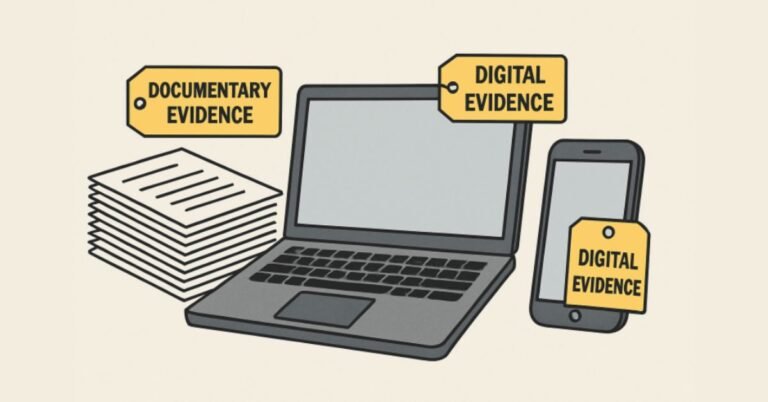
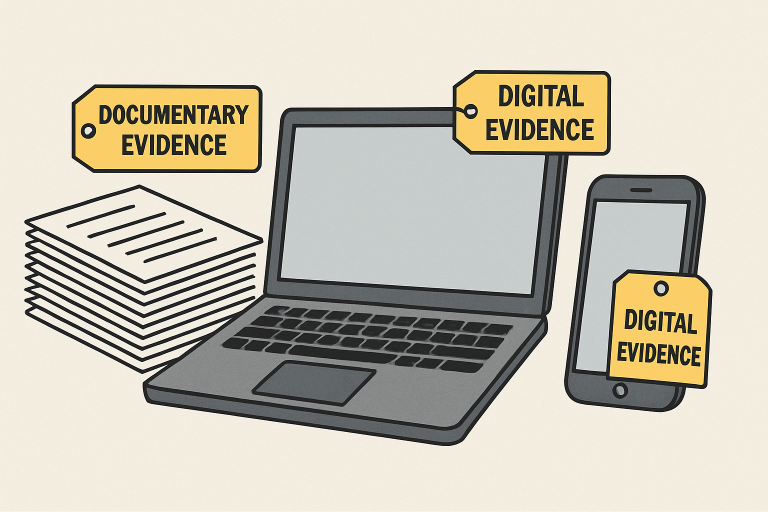
- Document Analysis: Legal teams review all written reports, statements, and affidavits for misstatements and contradictory information. Identifying these details is crucial for exposing mistakes and inaccuracies in the prosecution’s narrative.
- Digital Evidence Examination: Modern criminal cases increasingly feature material from smartphones, computers, and online accounts. These sources can reveal vital information about timelines, communication, or even the accused’s physical location at a specific moment.
- Forensic Evidence Assessment: DNA reports, ballistic analyses, and other scientific documents require expert review. Specialized knowledge is needed to check results for technical errors and ensure that proper procedures were followed at every stage.
- Witness Testimony Evaluation: A close examination of witness accounts often reveals inconsistencies or bias. Understanding the context and potential motivations behind each testimony helps defense teams prepare for cross-examination and jury presentation.
The Impact of Digital Evidence
With the rapid expansion of technology, digital evidence has become not only commonplace but sometimes central to modern criminal defense. Text messages, GPS data, and social media content can serve to corroborate alibis or contest the prosecution’s sequence of events. However, reviewing and interpreting this data can be extremely challenging due to volume, technical complexity, and the often limited access granted to the defense. According to a study by Forensic Magazine, tight deadlines and resource constraints can hinder attorneys’ ability to thoroughly examine digital records, sometimes affecting case outcomes.
Challenges in Evidence Review
The process of evidence review is fraught with several common obstacles:
- Volume of Evidence: Advances in data capture mean that defense teams must often review thousands of pages of reports, hours of video, or gigabytes of digital files in a single case.
- Technical Complexity: Forensic science and digital record analysis are highly specialized fields. Misinterpretation of findings or a lack of technical knowledge can lead to missed opportunities for the defense.
- Time Constraints: Court deadlines rarely allow for protracted analysis. Teams must work quickly while maintaining accuracy and thoroughness.
- Resource Limitations: No matter the size of the legal team, there may be a shortage of funds, tools, or skilled personnel available to conduct a comprehensive analysis.
Strategies for Effective Evidence Review
Despite these challenges, proven tactics can drastically improve the quality and efficiency of the evidence review process. Defense teams benefit greatly from working alongside expert witnesses who can interpret technical reports and help explain findings to the court. As detailed in a trusted legal resource, leveraging expertise in forensic science or psychology can shed new light on complex cases and offer additional layers of defense.
- Utilize Expert Witnesses: Bringing in specialists ensures that every technical detail is interpreted correctly and that scientific findings can be clearly explained in court.
- Implement Advanced Analytical Tools: Automated software solutions enable the analysis and organization of massive amounts of data. These tools can rapidly identify patterns, chronologies, and anomalies.
- Develop a Systematic Review Process: Standardizing evidence review procedures enhances consistency and ensures every piece of evidence is vetted using the same criteria.
- Prioritize Key Evidence: By ranking evidence by likely importance and potential impact, teams focus their energy where it matters most, improving both speed and effectiveness.
Final Thoughts
Proper evidence review is fundamental to achieving justice, ensuring that every accused person is afforded a complete and reliable defense. With ever-growing volumes of digital and physical evidence, meticulously analyzing all available case materials is no longer just beneficial; it is essential. Expert collaborations, advanced technology, and systematic review processes place defense lawyers in the strongest possible position to challenge the prosecution and advocate for their clients. As legal standards and technological capabilities continue to evolve, attentiveness to thorough evidence review will remain a non-negotiable pillar of criminal defense consulting, safeguarding both client rights and the integrity of the judicial process.
