

The Prevalence of Childhood Tooth Decay
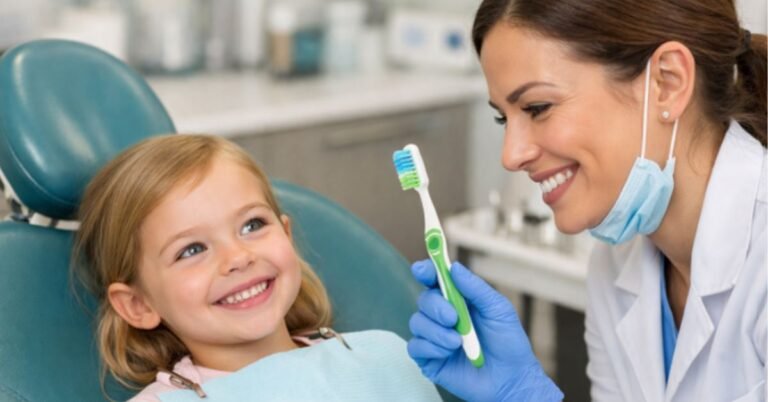
Childhood tooth decay is a significant health concern, affecting more than 40% of children ages 2-11. In fact, it is more common than asthma and other childhood conditions. Despite the prevalence, many parents do not schedule their child’s first dental visit until they detect obvious dental issues. By delaying their child’s introduction to a dental practice, such as a kids dentist, families risk missing a critical period when dental problems are most easily prevented and managed.
Early visits help identify risk factors before cavities and gum disease begin. When check-ups are introduced early in a child’s life, families receive valuable guidance that can prevent tooth decay altogether. Children who begin seeing the dentist as toddlers are generally less fearful in the dental setting and more likely to maintain regular dental routines into adulthood. As highlighted by the Centers for Disease Control and Prevention (CDC), tooth decay remains the most common chronic disease among children, underscoring the need for vigilant early care, not just a recommendation but a necessity. Early and frequent dental visits can identify subtle changes in oral health, allowing interventions before problems escalate. The perception that dental care can wait until later childhood is a common misconception. Decay in baby teeth can lead to both acute pain and long-term consequences for a child’s health. Dental experts urge parents to treat primary teeth as an important part of their child’s overall well-being and development.
Often called “baby teeth,” primary teeth play a central role in a child’s development. Their importance extends far beyond temporary function. Primary teeth are vital for proper chewing, which is the initial step in the digestive process. Children retain many of their primary molars until they are 10 to 12 years old. Appropriate chewing supports good nutrition and healthy weight management.
- Chewing and Nutrition: The primary teeth allow children to eat a balanced diet, supporting growth and immune function. Without healthy teeth, children are more likely to avoid fresh fruits, vegetables, and proteins that require thorough chewing.
- Speech Development: Properly aligned and healthy baby teeth help form clear sounds and words. Children with cavities, missing, or misaligned teeth may struggle to pronounce words correctly, which can affect confidence.
- Guiding Permanent Teeth: Baby teeth act as “space holders” for permanent teeth. If they fall out prematurely due to decay, neighboring teeth can shift, leading to misalignment that may require orthodontic treatment in the future.
Establishing Healthy Oral Habits Early
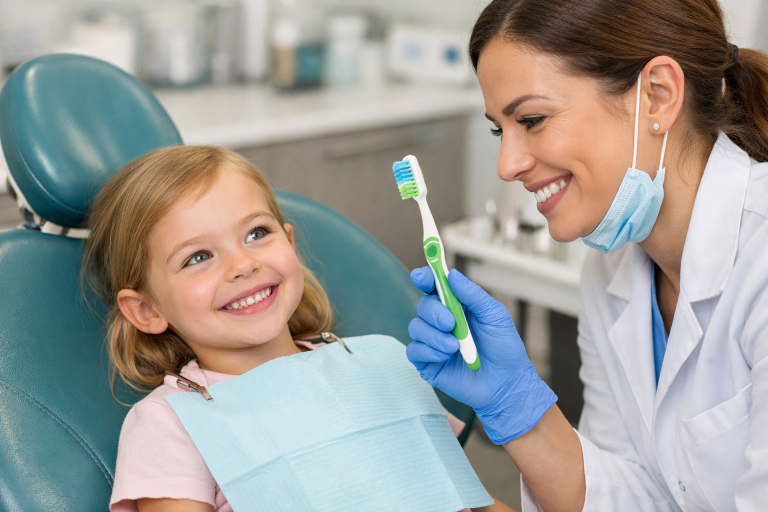
Introducing dental visits at an early age helps normalize the dental environment for children, reducing feelings of anxiety or fear. The first few appointments focus mostly on education and prevention rather than invasive procedures. During these visits, children become accustomed to the sights and sounds of the dental office and develop trust in dental care professionals. Dentists can also educate parents about the most effective brushing techniques for little ones, safe fluoride use, and how to monitor for early signs of decay.
Preventing Early Childhood Caries
Early Childhood Caries (ECC) is an aggressive form of tooth decay that can develop rapidly in babies and toddlers. Prevention is key to avoiding the pain, infection, and long-term damage that ECC can cause. Important preventive measures include:
- Avoiding bedtime bottles filled with milk or juice, as sugars in these drinks fuel cavity-causing bacteria overnight.
- Brushing twice daily using a small, soft-bristled toothbrush and a rice-sized smear of fluoride toothpaste for children under three and a pea-sized amount for children aged three to six.
- Introducing floss when adjacent teeth begin to touch.
- Offering plenty of fluoridated water throughout the day to help rinse away sugars and protect against cavities.
- Limiting sugary snacks and beverages, focusing instead on a balanced diet high in fiber, vitamins, and minerals.
- Scheduling dental check-ups every six months, or as recommended by your dentist.
Parents should know that preventive dental visits are also an opportunity to apply protective treatments, such as professional fluoride varnishes and dental sealants. More guidance can be found through trusted resources like the MouthHealthy website, which offers advice on caring for primary teeth.
Addressing Common Misconceptions
Many parents mistakenly believe that because baby teeth fall out, their care is less critical. However, untreated cavities in primary teeth can lead to infections, pain, and, in severe cases, hospitalization. Additionally, decay in baby teeth often signals a higher risk for future problems with permanent teeth. Early visits to the dentist can address minor problems before they become major concerns and can help educate parents about the lifelong benefits of good dental care for children. Failing to prioritize oral hygiene in early childhood can impact a child’s ability to learn, play, and socialize due to dental pain or embarrassment about their smile. Reinforcing the importance of primary teeth and early dental visits prevents these negative impacts and supports greater overall well-being.
Guidelines for Early Dental Visits
The American Academy of Pediatric Dentistry recommends scheduling a child’s first dental appointment by their first birthday or within 6 months of the first tooth erupting. These initial appointments are largely educational, focusing on preventive strategies and timely guidance for parents. Dentists can check for signs of decay, assess risk factors, and provide hands-on demonstrations of brushing and flossing techniques tailored to each child’s age and developmental stage. Early dental visits also include discussions about fluoride supplementation, dietary advice, and tailored recommendations for families with a history of dental problems. This proactive approach not only helps catch issues early but also empowers parents to make informed decisions about their children’s health.
Conclusion
Prioritizing early dental care is crucial to a child’s physical and emotional development. Taking primary teeth seriously means giving children the best chance of avoiding cavities, developing clear speech, and maintaining the alignment of their permanent teeth. By establishing consistent oral hygiene routines and attending early dental appointments, parents set their children on a course for a lifetime of healthy, confident smiles.
