

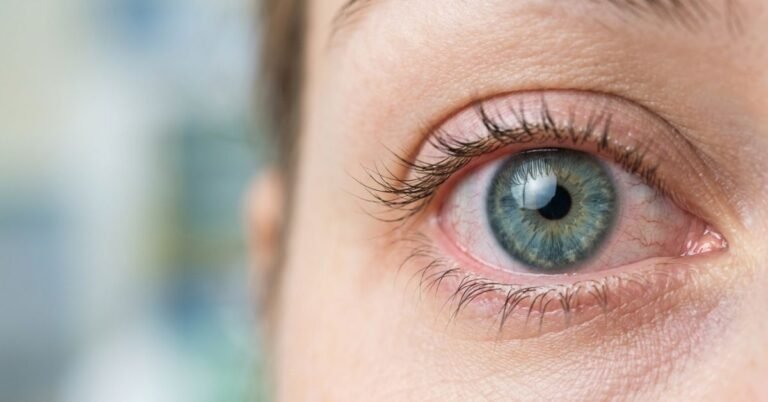
Bloodshot eyes are one of the most common eye complaints worldwide. Sometimes they’re caused by something simple, like lack of sleep or screen fatigue. Other times, they can signal infections, inflammation, or more serious eye conditions.
Understanding what’s causing the redness is the first step toward finding relief.
This guide explains the anatomy behind bloodshot eyes, common causes, treatments, prevention strategies, and the warning signs that should never be ignored.
What Are Bloodshot Eyes?
Bloodshot eyes occur when the tiny blood vessels on the surface of the eye become enlarged or irritated.
Normally, these vessels are nearly invisible. When irritation or inflammation occurs, they expand and become much more noticeable, creating the classic red appearance.
The Science Behind Eye Redness
The transparent membrane covering the white part of the eye is called the conjunctiva.
When blood vessels within this membrane dilate due to irritation, infection, dryness, or inflammation, redness becomes visible.
Common Causes of Bloodshot Eyes
1. Dry Eye Syndrome
One of the leading causes of persistent redness.
Symptoms often include:
- Burning
- Stinging
- Grittiness
- Fluctuating vision
- Redness throughout the day
Risk factors include:
- Aging
- Air conditioning
- Extended screen use
- Certain medications
2. Digital Eye Strain
Modern lifestyles have dramatically increased screen exposure.
Hours spent looking at phones, tablets, and computers reduce blink rates, causing the eye surface to dry out.
Common symptoms include:
- Red eyes
- Eye fatigue
- Blurred vision
- Headaches
3. Allergies
Seasonal allergies often trigger:
- Redness
- Itching
- Excess tearing
- Puffy eyelids
Common triggers include:
- Pollen
- Dust mites
- Pet dander
- Mold
4. Lack of Sleep
Sleep deprivation reduces the eye’s ability to recover from daily irritation.
Even one night of poor sleep can lead to:
- Bloodshot eyes
- Dryness
- Puffiness
- Increased light sensitivity
5. Contact Lens Irritation
Wearing contact lenses too long can reduce oxygen reaching the cornea.
This may cause:
- Redness
- Discomfort
- Dryness
- Increased infection risk
6. Eye Infections
Viral Conjunctivitis
Often associated with:
- Watery discharge
- Cold-like symptoms
- High contagiousness
Bacterial Conjunctivitis
Typically causes:
- Thick discharge
- Crusting
- Persistent redness
7. Environmental Irritants
Common irritants include:
- Smoke
- Air pollution
- Wind
- Chlorinated pools
- Chemical fumes
8. Serious Eye Conditions
Though less common, redness can sometimes signal:
- Uveitis
- Acute glaucoma
- Corneal ulcers
- Keratitis
- Corneal abrasions
These conditions require prompt medical evaluation.
Bloodshot Eyes Causes Comparison Table
| Cause | Typical Symptoms | Usually Serious? |
|---|---|---|
| Dry Eye | Burning, irritation | Rarely |
| Allergies | Itching, watering | Rarely |
| Sleep Deprivation | Tired appearance | No |
| Screen Fatigue | Dryness, headaches | No |
| Infection | Discharge, swelling | Sometimes |
| Uveitis | Pain, light sensitivity | Yes |
| Acute Glaucoma | Severe pain, blurred vision | Emergency |
Symptoms That May Accompany Bloodshot Eyes
Bloodshot eyes often occur alongside:
- Itching
- Burning
- Tearing
- Eye pain
- Blurred vision
- Swelling
- Light sensitivity
- Foreign body sensation
The combination of symptoms often helps identify the underlying cause.
How to Get Rid of Bloodshot Eyes
Use Artificial Tears
Lubricating eye drops help restore moisture and reduce irritation.
They’re especially effective for:
- Dry eye
- Screen-related redness
- Mild environmental irritation
Follow the 20-20-20 Rule
Every 20 minutes:
- Look 20 feet away
- For at least 20 seconds
This simple habit reduces digital eye strain.
Apply a Cool Compress
A cool, clean compress may help:
- Reduce inflammation
- Soothe irritation
- Minimize swelling
Improve Sleep Quality
Most adults need 7-9 hours of quality sleep nightly.
Consistent sleep supports eye recovery and tear production.
Address Allergies
Managing allergy triggers may significantly reduce redness.
Treatment options often include:
- Antihistamine eye drops
- Oral antihistamines
- Air filtration systems
When Bloodshot Eyes Are an Emergency
Seek immediate medical care if redness occurs with:
- Severe pain
- Sudden vision loss
- Significant blurred vision
- Eye injury
- Chemical exposure
- Extreme light sensitivity
- Halos around lights
These symptoms may indicate a vision-threatening condition.
Myth vs Fact
Myth: Bloodshot eyes are always caused by lack of sleep.
Fact:
Sleep deprivation is common, but allergies, infections, dry eye disease, and inflammation are also major causes.
Myth: Eye drops solve every case of redness.
Fact:
Some redness-relief drops only temporarily shrink blood vessels and may worsen symptoms with overuse.
Myth: Red eyes are always contagious.
Fact:
Only certain infections, such as viral conjunctivitis, are contagious.
Myth: If there is no pain, the condition isn’t serious.
Fact:
Some eye diseases can progress with minimal discomfort, making regular eye exams important.
Statistical Insights
- Dry eye disease affects hundreds of millions of people globally. [Source]
- Studies show digital device use continues to increase yearly among adults and children. [Source]
- Research indicates reduced blink rates during screen use contribute significantly to eye dryness. [Source]
- Allergic conjunctivitis affects a substantial percentage of the population during peak allergy seasons. [Source]
EEAT Section: Clinical Perspective
Insights from Eye Care Professionals
One of the most common mistakes eye care professionals see is assuming all redness is caused by fatigue.
In practice, chronic bloodshot eyes are frequently linked to untreated dry eye disease, allergies, contact lens misuse, or underlying inflammation. Early evaluation often prevents long-term discomfort and helps identify more serious conditions before complications develop.
For health-related content, information should always be reviewed by qualified ophthalmologists or optometrists and aligned with current clinical guidelines.
Frequently Asked Questions
Why do I wake up with bloodshot eyes?
Morning redness is commonly linked to dry eye syndrome, poor sleep quality, nighttime eye exposure, allergies, or environmental factors. Persistent symptoms should be evaluated by an eye care professional.
Can stress cause bloodshot eyes?
Stress itself doesn’t directly cause eye redness, but it can contribute to poor sleep, eye strain, and inflammation-related symptoms that make bloodshot eyes more likely.
Are bloodshot eyes a sign of infection?
Sometimes. Viral and bacterial conjunctivitis commonly cause redness. Discharge, swelling, crusting, and irritation often help distinguish infections from other causes.
How long do bloodshot eyes last?
Duration depends on the cause. Mild irritation may resolve within hours, while allergies, dry eye disease, or infections can last days or weeks without treatment.
What eye drops work best for bloodshot eyes?
Artificial tears are usually the safest first option. Specialized allergy or prescription drops may be necessary depending on the underlying cause.
Should I see a doctor for bloodshot eyes?
Seek professional evaluation if redness persists, recurs frequently, causes vision changes, severe pain, or develops after an eye injury.
Final Thoughts
Bloodshot eyes are usually caused by enlarged blood vessels responding to irritation, dryness, fatigue, allergies, environmental triggers, or infection.
Key entities discussed include dry eye syndrome, conjunctivitis, digital eye strain, contact lens irritation, glaucoma, uveitis, artificial tears, and preventive eye care strategies.
As screen use continues to rise and environmental factors increasingly affect eye health, understanding the root causes of eye redness is becoming more important than ever.
