

Long, hot stretches make efficient air conditioning an important part of keeping an Austin home comfortable. Yet comfort is not determined by equipment alone. Sunlight, attic heat, humidity, air movement, insulation, and everyday household routines all affect how hard a cooling system must work.
A whole-home approach can make cooling more dependable and may help households identify small problems before they become costly disruptions. The goal is not to force a system to run constantly, but to reduce unnecessary heat gain and help conditioned air reach every occupied room.
Why Austin Heat Puts Pressure on Cooling Systems
High outdoor temperatures increase run time and place added strain on compressors, fan motors, electrical components, and drainage systems. A system that seems adequate on a warm spring day may struggle during a prolonged heat wave because the home absorbs more heat through the roof, walls, windows, and attic.
Upstairs rooms are a common example. Heat gathers near the ceiling and in attic spaces, while uneven duct airflow can leave bedrooms warmer than the first floor. Lowering the thermostat dramatically rarely fixes this problem. It often points to airflow, insulation, ductwork, or solar heat gain that needs attention.
When a system is not keeping up, timely air conditioning repair can help determine whether the issue involves the equipment itself, a clogged drain, restricted airflow, or another part of the home’s cooling setup.
Daily Habits That Reduce Cooling Demand
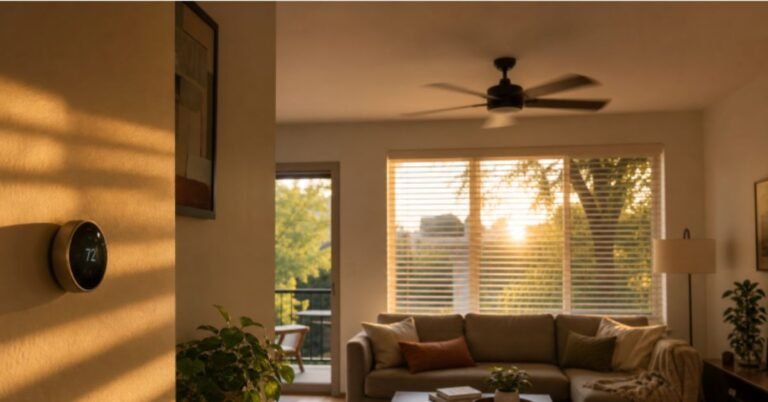
Small routine changes can reduce the amount of heat entering a home during the hottest hours. Close blinds or curtains before direct afternoon sun reaches windows, especially on west-facing walls. Use ceiling fans in occupied rooms to improve comfort, remembering that fans cool people through air movement rather than lowering the room’s actual temperature.
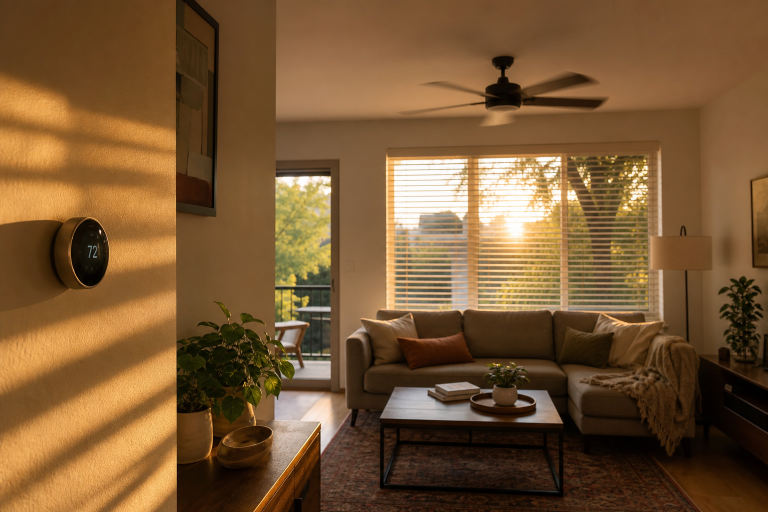
It also helps to limit oven, stovetop, and dryer use during peak afternoon heat when practical. Keep exterior doors and windows closed while the system runs, and avoid turning the thermostat completely off for long absences. Raising the setting slightly while the home is empty is generally more manageable than allowing indoor heat and humidity to build unchecked.
How to Improve Airflow From Room to Room
Airflow problems often create the impression that an air conditioner is too small. Before reaching that conclusion, check for blocked supply vents, closed interior doors, furniture covering registers, or curtains obstructing return grilles. Return grilles need clear space to pull indoor air back to the system.
A Quick Airflow Check
- Inspect the filter and replace it if it appears dirty.
- Confirm that supply vents are open in regularly used rooms.
- Move rugs, furniture, and stored items away from registers and returns.
- Compare airflow in several rooms while the system is running.
- Make note of rooms that remain warm after these basic corrections.
A Simple Air Conditioner Maintenance Checklist
During heavy-use months, check the filter monthly. A dirty filter restricts airflow, lengthens run times, and can contribute to coil problems. Keep grass clippings, leaves, and other debris away from the outdoor condenser, leaving open space around it so heat can be released properly.
Look for unusual water near the indoor equipment or drain line, and schedule professional maintenance before the most demanding part of the cooling season. Regular filter changes and yearly HVAC tune-ups recommended by ENERGY STAR can support comfort and efficiency. Refrigerant work, electrical testing, and internal coil cleaning should be handled by trained professionals.
The Role of Windows, Insulation, and Ductwork
A home’s envelope is the barrier between conditioned indoor space and outdoor heat. Weak attic insulation, worn weatherstripping, gaps around doors, and older windows can allow heat into the house faster than the cooling system can remove it. Duct leaks can also waste cooled air before it reaches living spaces, particularly when ducts run through a hot attic.
For homes with persistently uncomfortable rooms or unexplained increases in energy use, an energy assessment may reveal whether duct sealing, insulation improvements, or air sealing would offer more value than replacing otherwise functional equipment. Austin households can also review cooling and heating efficiency programs when considering eligible improvements.
Better Thermostat Settings for Comfort and Savings
Setting the thermostat far below the desired temperature does not cool the house faster. The system generally cools at the same rate until it reaches the selected setting. Consistent temperatures and modest adjustments are usually easier on comfort and energy use than frequent, extreme changes.
A programmable or smart thermostat can support a routine based on work, school, and sleep schedules. For example, a household might choose a comfortable occupied setting in the morning and evening, raise it a few degrees during a weekday absence, and return it to the preferred setting before people arrive home. Individual comfort needs, humidity, health considerations, and budget should guide the final settings.
Warning Signs That Need Prompt Attention
- The system runs nearly nonstop, but indoor temperatures continue rising.
- One or more rooms remain several degrees warmer than the rest of the home.
- Buzzing, grinding, rattling, or repeated clicking begins unexpectedly.
- Water collects around indoor equipment, or ice forms on refrigerant lines.
- The system starts and stops repeatedly in short cycles.
- Electricity use rises sharply without a clear change in weather or household activity.
Turn off the equipment and address the situation promptly if there is a burning smell, exposed wiring, active water leaking near electrical components, or another potential safety hazard.
When Repair Makes Sense and When Replacement May Be Smarter
Age, repair history, operating cost, comfort, and expected remaining service life all matter when evaluating an older system. Compare the likely cost of continued repairs with the long-term cost of replacement, but do not choose new equipment by square footage alone. A load calculation considers insulation, windows, orientation, occupancy, and other details that affect cooling needs.
An oversized system may cool rooms quickly but cycle off before removing enough moisture, leading to uneven comfort. Ask for written information about efficiency, warranty coverage, installation steps, and the expected timeline before making a major decision.
A Seasonal Cooling Plan
- Before hot weather: Replace the filter, clear debris from the outdoor unit, and arrange maintenance.
- During the first hot week: Watch for uneven cooling, new sounds, and unusually long run times.
- During heat waves: Close blinds, reduce indoor heat sources, use fans in occupied rooms, and avoid extreme thermostat changes.
- After a high-use month: Review energy bills and record any noticeable changes in comfort.
- Before the next season: Budget for repairs, duct improvements, insulation work, or replacement if needed.
Reliable cooling comes from treating the house as a connected system. Clean airflow, shaded windows, sound ductwork, reasonable thermostat habits, maintenance, and timely repairs can work together to make an Austin home more comfortable through demanding summer weather.
