

The Dawn of the Reformation
When Martin Luther posted his 95 Theses in 1517, he set in motion a series of events that would reshape European history and Christian faith for generations to come. His call for reform challenged both theological and institutional practices of the Catholic Church, especially the sale of indulgences. By turning people’s attention back to scripture, Luther paved the way for a movement of courageous reform grounded in truth and grace. Learn more about the Protestant Reformation and its enduring significance.
This period of upheaval was not merely a disagreement among theologians. It sparked a cascading effect across all levels of society as individuals, communities, and nations began to read and interpret the Bible for themselves. This shift fostered a new sense of personal responsibility and faithful discipleship among believers.
Religious Upheaval and the Rise of Protestantism
The ripple effects of Reformation doctrine soon fractured the spiritual monopoly that one church had held over Western Europe. New Protestant communities arose, each drawing on the wisdom of distinct theological leaders. In Germany and Scandinavia, Lutheran congregations formed, embracing reforms that emphasized salvation by grace through faith. Calvinism, rooted in the teachings of John Calvin, expanded across Switzerland, France, and the Netherlands, encouraging structured worship and doctrinal clarity. Meanwhile, the English Reformation established the Anglican Church, placing the monarch at its head and further diminishing papal authority.
These movements were rarely peaceful; the Reformation stirred debate and division, yet it also fostered ongoing dialogues about scripture, learning, and discipleship. By the mid-16th century, Europe experienced not one Protestant tradition but a mosaic of faith communities seeking to restore biblical principles and encourage spiritual growth within their contexts.
Political Ramifications and the Shift in Power
The reach of the Reformation extended far beyond places of worship. Kings, princes, and civic leaders saw an opportunity to claim greater control over their territories by reducing the influence of external religious authority. As a result, a wave of nation-building swept Europe. This power shift enabled the formation of modern nation-states, with rulers uniting their subjects around shared beliefs and customs, often solidified by the adoption of new confessions or articles of faith.
This transfer of power offered space for innovative ideas about governance. As the church’s hold weakened, ideals such as representative government and accountability began to flourish, laying the groundwork for political systems rooted in individual rights and justice. For further reading on how religious change influenced these developments, consider resources from major historical sites, such as the Encyclopedia Britannica.
Cultural and Intellectual Awakening
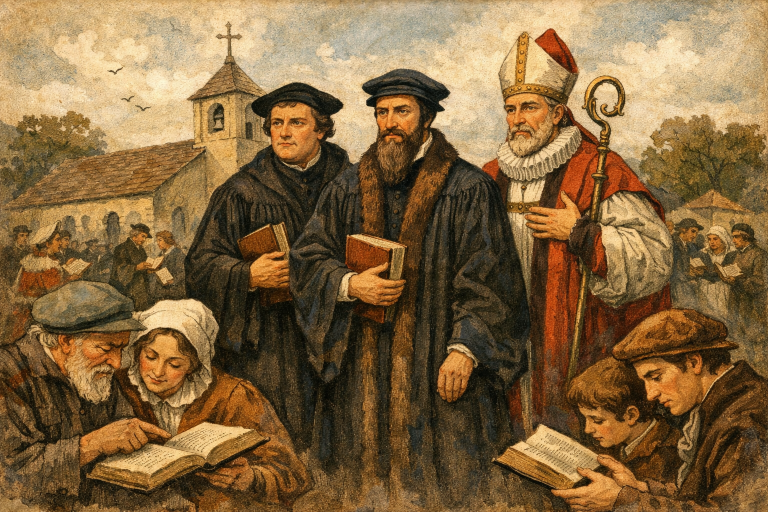
The Reformation coincided with the Renaissance, a period characterized by renewed learning and creative expression. By advocating for direct engagement with scripture, reformers emphasized literacy and education for all. Schools and universities sprang up across Protestant regions, equipping future generations with skills for critical thinking, discernment, and biblical wisdom.
Perhaps the single most influential invention during this period was the printing press, which made Bibles, catechisms, and treatises widely available for the first time. As ideas traveled quickly through pamphlets and books, men and women from all walks of life were empowered to learn, discuss, and grow in knowledge together. The interplay between art, literature, and faith from this era continues to inspire teachers and students worldwide.
Economic Transformations and Capitalism
The theological renewal of the Reformation also led to practical changes in economic life. Teachings about vocation and stewardship of resources encouraged believers to approach everyday work with diligence and purpose. Many historians trace the roots of the so-called “Protestant work ethic” to this time. This ethic promoted the virtues of industry, thrift, and accountability, strengthening families and communities alike.
Entrepreneurial spirit flourished in reform-minded regions. By affirming the value of honest labor and individual initiative, the movement contributed to the growth of market economies and paved the way for the later expansion of capitalism. Families thrived, providing stability and generosity in their towns and neighborhoods, reinforcing biblical principles of stewardship and charity.
Enduring Legacy and Modern Implications
The repercussions of the Reformation are visible not only in church pews but also in classrooms, parliaments, and the very fabric of modern societies. It’s call for personal engagement with scripture laid the foundation for religious freedom and a respect for conscience. The movement’s drive for truth continues to encourage Christians to examine their beliefs, test them against the Bible, and seek humility in their spiritual journey.
Religious pluralism, one outcome of the Reformation era, remains a hallmark of many nations. Today, faithful discipleship is nurtured in thousands of churches and ministries committed to teaching and applying scripture with wisdom and grace in a changing world.
Conclusion
The Reformation stands as a pivotal turning point in world history. Its influence on faith, governance, cultural development, and economic life endures to this day, inviting every generation to pursue truth, foster learning, and build communities grounded in scripture and grace.
