

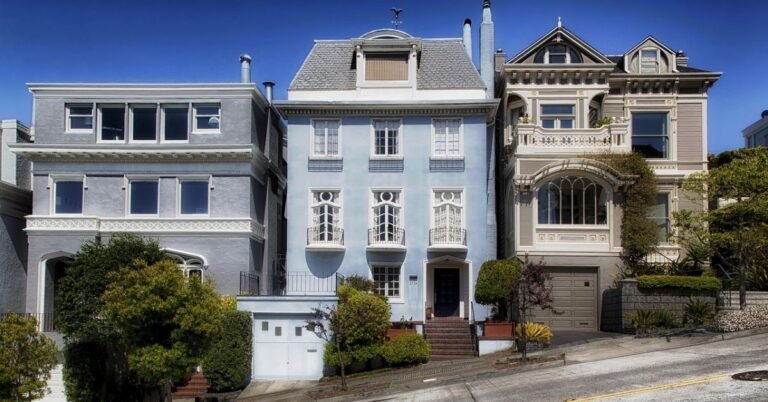
Community associations, such as homeowners associations (HOAs), condominium associations, and housing cooperatives, play a pivotal role in enhancing neighborhood living. These organizations not only manage shared spaces but also foster a sense of community, ensure safety, and contribute to residents’ overall well-being. For over three decades, Southern States Management Group has been a leading asset management firm specializing in not-for-profit residential and commercial community associations across Northeast and Central Florida. Their extensive experience underscores the significant impact well-managed community associations have on neighborhood quality of life.
Enhancing Community Services and Infrastructure
One of the primary functions of community associations is to provide services that might otherwise fall under municipal responsibilities. These services often include:
- Landscaping and open space maintenance
- Street maintenance and repairs
- Sidewalk upkeep
- Street lighting and signage
- Stormwater management systems
- Trash and recycling collection
- Snow removal
By managing these services, community associations alleviate the financial burden on local governments and ensure that neighborhoods remain well-maintained and functional. According to a survey by the Foundation for Community Association Research, 76% of respondents said their community association reduces the financial burden on local governments, either significantly or somewhat.
Fostering Social Cohesion and Civic Engagement
Beyond infrastructure, community associations are instrumental in building social capital. They organize events, facilitate communication among residents, and create platforms for collective decision-making. This engagement leads to stronger community bonds and a shared sense of responsibility. The County Health Rankings & Roadmaps initiative highlights that neighborhood associations can increase social cohesion and civic engagement, contributing to healthier communities.
Social events hosted by associations, such as block parties, holiday gatherings, and volunteer drives, help residents form friendships and support networks. These activities foster a welcoming environment for newcomers and help neighbors build trust and familiarity. Over time, this sense of community identity can be vital during crises, natural disasters, or emergencies, as neighbors work together to support one another and recover more quickly. Activities like neighborhood newsletters, online forums, or social media groups managed by the association help keep residents informed and engaged with local happenings, fostering transparency and trust.
Preserving Property Values
Active community associations play a crucial role in maintaining and enhancing property values. By enforcing community standards, overseeing maintenance, and organizing improvement projects, they ensure that neighborhoods remain attractive to current and prospective residents. The Community Associations Institute notes that associations help protect property values by delivering services that meet residents’ expectations and by preserving the community’s character.
Additionally, community associations may establish architectural review committees to maintain aesthetic standards and uphold neighborhood appeal. Their efforts deter neglect that can diminish property values or lead to neighborhood decline. Many associations offer resources for residents planning home improvements, ensuring both compliance and value enhancement. Regular investment in shared spaces, whether by updating playground equipment, resealing roads, or refreshing landscaping, helps maintain curb appeal and reputation, which is critical for resale value and long-term neighborhood vitality.
Providing a Unified Voice for Residents
Community associations serve as a collective voice for residents, advocating for neighborhood interests in broader municipal discussions. This unified representation can lead to more effective communication with local governments and better outcomes for community projects and concerns. The Mercatus Center emphasizes that strong neighborhoods, supported by active associations, can influence local policies and initiatives, thereby improving public safety, health, and prosperity.
When city planning proposals, zoning changes, or infrastructure improvements are on the table, a well-organized association can efficiently gather feedback, present unified concerns, and negotiate solutions. Committees within the association may specialize in issues such as public safety, transportation, or environmental advocacy, allowing the group to respond quickly and strategically to external challenges. Moreover, associations often coordinate voter registration drives or candidate forums, ensuring that residents are informed and empowered participants in local democratic processes.
Offering Access to Shared Amenities
Many community associations provide residents with access to shared amenities such as swimming pools, fitness centers, parks, and clubhouses. These facilities enhance the quality of life and provide spaces for social interaction, fostering a vibrant community atmosphere. The Community Associations Institute highlights that many communities maintain amenities that most Americans cannot afford on their own, such as swimming pools and tennis courts.
These shared amenities not only serve as attractive features for prospective buyers but also create opportunities for residents to engage with one another through classes, meetings, or recreational activities. Well-maintained amenities help residents lead healthier and more active lifestyles and make the neighborhood a more desirable place to live. Some associations even provide community gardens, pet parks, or walking trails, enhancing the neighborhood’s recreational value and environmental health. By pooling resources, residents enjoy benefits that far surpass what individual homeowners could accomplish alone.
Promoting Safety and Security
Safety is a top priority for community associations. They often implement security measures, such as neighborhood watch programs, controlled access points, and surveillance systems, to ensure a secure living environment. These initiatives not only deter crime but also provide residents with peace of mind. The Community Building Partnership notes that neighborhood associations are the backbone of thriving, resilient communities, fostering a sense of security and belonging.
Encouraging Environmental Stewardship
Community associations often lead environmental initiatives, such as recycling programs, energy-efficient projects, and the preservation of green spaces. These efforts contribute to sustainable living practices and enhance the natural beauty of neighborhoods. The County Health Rankings & Roadmaps initiative suggests that neighborhood associations can play a role in improving community conditions, including environmental factors.
Facilitating Conflict Resolution
Disputes among neighbors are inevitable, but community associations provide structured processes for conflict resolution. By addressing issues promptly and fairly, they help maintain harmony and prevent minor disagreements from escalating. The California Legislative Action Committee emphasizes that connections, behaviors, and even conflicts all play powerful roles in shaping a neighborhood’s character and resilience.
Final Thoughts
In conclusion, community associations are integral to creating and maintaining vibrant, safe, and cohesive neighborhoods. Their multifaceted roles, from managing infrastructure and services to fostering social connections and advocating for residents, significantly improve neighborhood living.
